


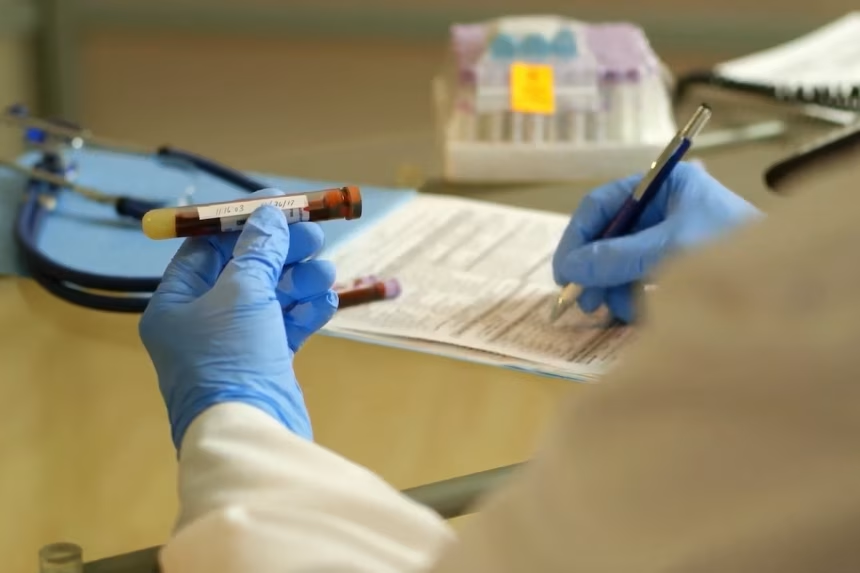
FDA-cleared blood-based tests can help doctors detect Alzheimer’s-related biomarkers in people showing signs of cognitive impairment
New blood-based tests are giving doctors a simpler way to look for biological signs associated with Alzheimer’s disease, potentially reducing reliance on more invasive or difficult-to-access diagnostic procedures.
The US Food and Drug Administration (FDA) has cleared four blood-based biomarker tests to aid in diagnosing Alzheimer’s disease in people who are experiencing signs or symptoms of cognitive impairment.
The tests detect proteins and other biomarkers in blood linked to Alzheimer’s-related changes in the brain, including the accumulation of beta-amyloid plaques. Previously, confirming the presence of these plaques could involve specialised PET brain scans or analysis of cerebrospinal fluid obtained through a lumbar puncture.
Click here to join our WhatsApp channel here
However, the blood tests are not intended to provide a diagnosis on their own. Doctors are expected to consider the results alongside symptoms, medical history, cognitive assessments and other clinical information. Earlier diagnosis has become increasingly important as treatments such as lecanemab, marketed as Leqembi, and donanemab, marketed as Kisunla, are available for certain people with early Alzheimer’s disease and confirmed elevated beta-amyloid levels.
Also read: AED3 Billion Dubai Creek Gardens Breaks Ground at Dubai Healthcare City
Experts also caution that the tests are not currently recommended as routine screening for healthy adults without symptoms. People experiencing noticeable changes in memory, judgment, behaviour or personality that affect daily life are encouraged to seek a clinical evaluation.
Researchers are continuing to study whether identifying Alzheimer’s-related changes before symptoms appear could eventually support earlier intervention.


