



World Health Organization (WHO) has released the third addendum to its Guidelines for Drinking-water Quality, providing updated global recommendations to support countries in strengthening water safety regulations, surveillance programmes, and risk management practices.
The revised guidance incorporates new scientific evidence and practical lessons from countries implementing risk-based approaches to drinking-water safety. It includes strengthened recommendations on microbial risks, selected chemical hazards, small water supplies, and proactive water safety planning.
Also read: UAQ Chamber and Thumbay University Hospital Partner to Expand Healthcare Access
WHO continues to emphasize a preventive, risk-based framework for ensuring safe drinking water, focusing on health-based targets, water safety planning, and independent surveillance. The updated guidance also highlights the important role of governments in protecting public health through safe water systems.
Dr Rüdiger Krech said, “Safe drinking-water is fundamental to health, development and human rights. These updated Guidelines help countries focus resources where they matter most: preventing contamination, managing risks before they become health threats, and ensuring that all people can rely on drinking-water that is safe.”
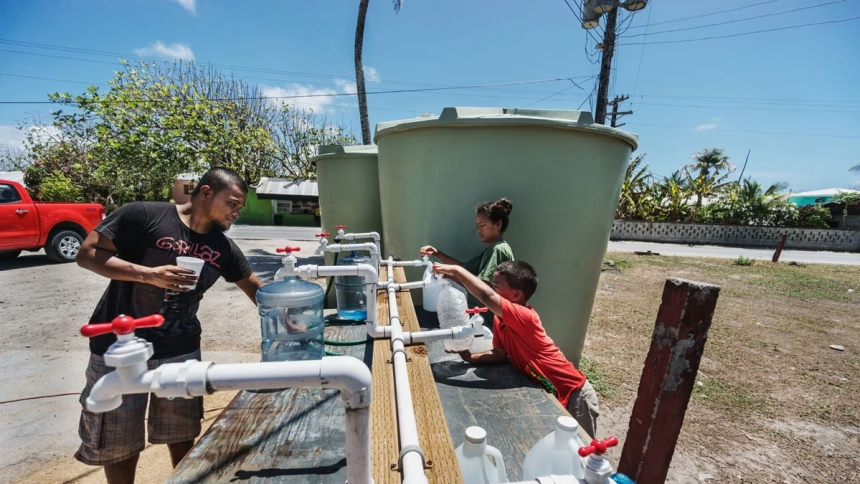
The organization noted that an estimated 2.1 billion people worldwide still lack safely managed drinking-water services. WHO said the updated guidelines will help countries improve water quality standards, prevent contamination, and strengthen public health protections through safer and more reliable drinking-water systems.