


Every day, thousands of flights land across the UAE carrying passengers from every part of the globe. It is what makes this country extraordinary. But it also means that when a disease like Ebola appears anywhere in the world, people here pay attention. That reaction is understandable. The good news is that the full picture is far less alarming than the headline.
What is Ebola and how does it spread?
Ebola is a serious viral disease that scientists believe starts in fruit bats. It first reaches humans through contact with infected animals like bats, monkeys, or chimpanzees. From there, it spreads from person to person through direct contact with blood, saliva, sweat, or other body fluids of someone who is sick. Contaminated needles, medical tools, and clothing can also carry the virus. One important thing to know: Ebola is not an airborne disease, so breathing the same air as someone will not put you at risk.
Symptoms usually appear anywhere between 2 and 21 days after exposure. They often start out feeling like a bad flu, including fever, fatigue, headache, muscle pain, and sore throat. As the illness gets worse, it can bring vomiting, diarrhea, skin rashes, and in serious cases, organ failure. This is why getting help early matters so much.
Also read: ADCAN Pharma, Menarini Partner to Boost UAE Pharmaceutical Manufacturing
Can it be treated?
There is no cure for Ebola, but treatment has improved a great deal. Today, patients receive IV fluids, oxygen therapy, and newer medications that have helped more people recover. The key is reaching a hospital quickly. Getting care early greatly increases the chances of survival.
Because early Ebola symptoms look a lot like other common illnesses, doctors use blood tests to confirm the virus. This is why reporting suspected cases right away is so important.
Prevention and where things stand today
Staying safe from Ebola is fairly straightforward: wash your hands regularly, avoid contact with infected people or their body fluids, and if you are traveling to an area with an active outbreak, follow all local health guidelines closely.
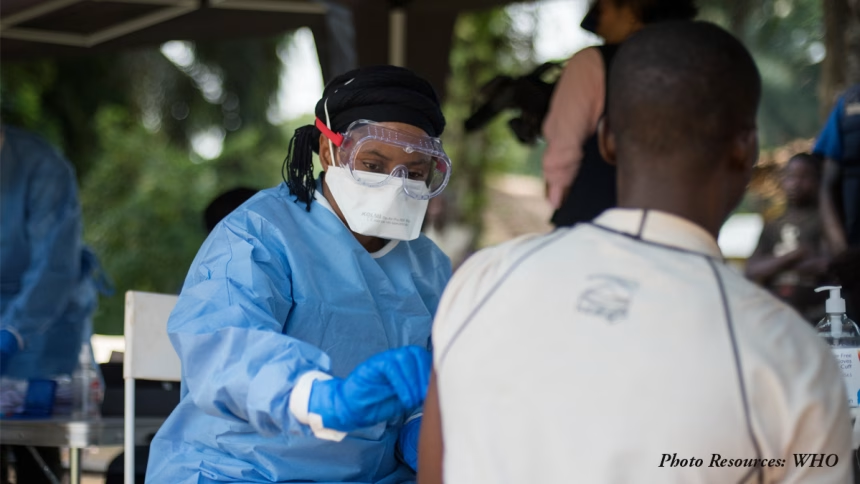
The good news is that vaccines now exist and have worked well, especially for healthcare workers and others at high risk. Global health teams actively watch for outbreaks, move quickly to contain them, and work together across borders to stop the virus from spreading further.
Click here to join our WhatsApp channel here
For people living in the UAE, the risk right now is very low. The country has strong health screening at entry points, reliable disease monitoring systems, and excellent medical facilities. Travelers heading to affected regions should check official health advisories before they go. For everyone else, staying informed is the best thing you can do.
Ebola is serious, but knowledge keeps fear in check. And in 2026, we know far more than we ever did before.