


As delegates gather in Geneva for the fifth session of the Intergovernmental Negotiating Committee (INC-5.2) to finalize a global treaty to end plastic pollution, over 48 million health professionals, patients, and allies have united to deliver a clear message: Plastic pollution is a public health emergency – the health sector cannot be given a free pass.
In an open letter submitted to the International Negotiating Committee on Plastic Pollution, Health Care Without Harm and its partners, including the World Medical Association and the International Council of Nurses, are calling for an end to the exemption of healthcare from the plastics treaty. The signatories instead demand special considerations that hold the sector accountable for its role in plastic pollution.
Also Read: Environmental Consciousness and Mental Wellbeing
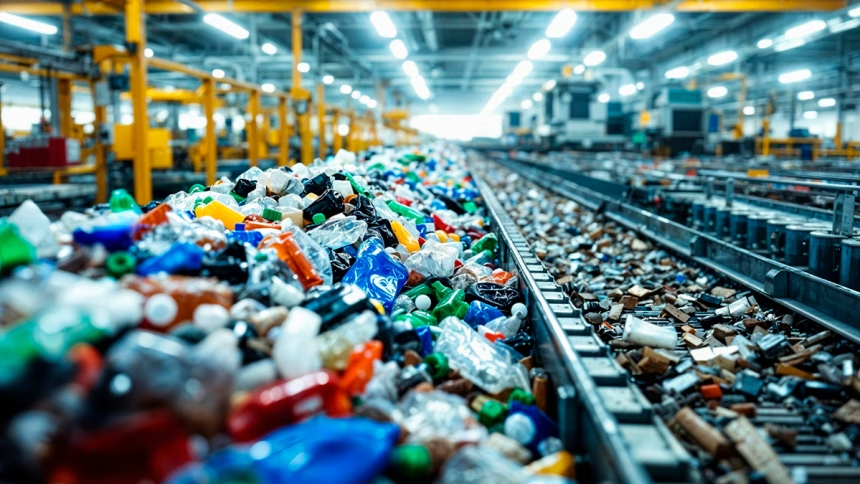
Plastics release climate-warming emissions, contain toxic chemicals, and break down into microplastics that are linked to hormone disruption, cancer, infertility, and other long-term health impacts. The healthcare industry is unintentionally harming the very people it is meant to heal; exposing patients, workers, and communities to dangerous plastic-related health risks.
Will Clark, Director of International Supply Chains at Health Care Without Harm, said: “The health care sector generates 15 million tonnes of plastic waste every year – that’s the equivalent of seven shopping bags for every patient who walks through a hospital door. Yet, there are already proven, safe alternatives such as reusable and reprocessed medical products that reduce plastic waste without compromising patient safety. If the Global Plastics Treaty exempts healthcare from its resolution, it sets a very dangerous precedent – one that both undermines environmental progress and the very mission of healthcare to ‘do no harm.”
Click here to join our WhatsApp channel here
Dr. Ashok Philip, President of the World Medical Association, added: “Physicians around the world are witnessing firsthand the health effects of plastic pollution—from respiratory issues to chronic diseases and even cancers. To exempt healthcare from global action on plastics is not only shortsighted—it contradicts our core ethical obligation to protect health. The WMA strongly supports a treaty that empowers the health sector to lead by example and transition to safer, more sustainable practices.”
Howard Catton, CEO at the International Council of Nurses, said: “The health sector has both the responsibility and opportunity to take the lead on sustainability. Nurses are deeply committed to values of social and environmental justice and to addressing the climate crisis. That’s why ICN, along with the signatories of this letter, is advocating for no blanket exemption of health care in the treaty on plastic pollution and instead calling for the treaty to include special consideration of the health sector. Protecting human health must go hand in hand with protecting the health of our planet.”