
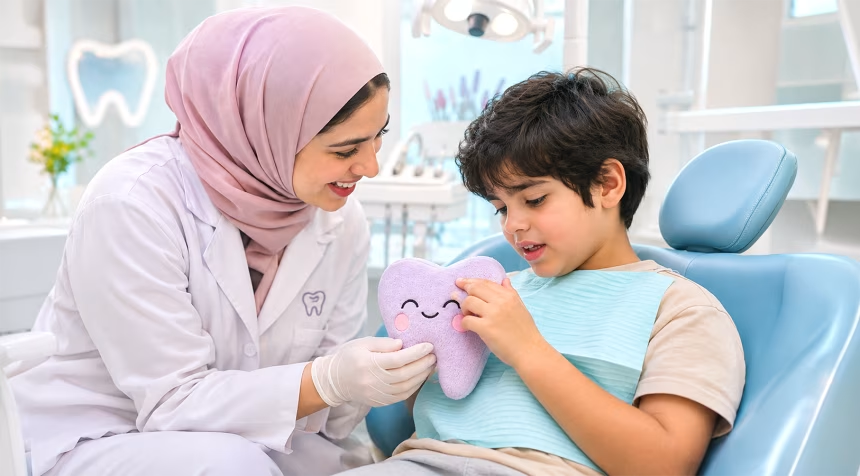

Bright lights, buzzing tools and unfamiliar hands can turn a routine check-up into overwhelm for a child with autism or sensory sensitivities. Dr Yasmin Kottait, IBCCES Certified Autism Specialist and founder of Sunshine Land Pediatric Dentistry Clinic in Dubai, tells MedEdge MEA how dental care must slow down, soften and adapt, and what parents should ask before booking.
MedEdge MEA: What does a sensory-friendly dental visit look like, from the waiting room to the chair?
Dr Yasmin Kottait: It starts with understanding the child before we touch a tooth. Every child is different, whether they are autistic, neurodivergent, anxious, have special needs or are simply sensitive. At Sunshine Land, we take the time to understand who each child is, what they need from us and what the family needs too.
The waiting area: We try hard to keep waiting short, but when it happens, our waiting area is sensory, engaging and interactive, inspired by Montessori principles, so waiting becomes play rather than stress.
The sensory room: A quieter, calmer space for anxious or easily overwhelmed children, away from the busier parts of the clinic.
Comfort tools: Weighted blankets, sunglasses, dimmable lights and noise-cancelling headphones are always ready.
The treatment rooms: Four character-themed rooms that feel friendly rather than clinical.
The chair: We follow the child’s pace, not ours. They explore the space first, and once we begin, we keep it calm, quick and efficient.
The visit ends on a high note, with our surprise reward box, so the last memory of the dentist is a happy one.
Click here to join our WhatsApp channel here
ME: What is the biggest misconception about treating sensory-sensitive or neurodivergent children?
YK: That any dentist, in any practice, can see these children. Caring well for autistic, sensory-sensitive, anxious or special needs children takes specific training, certification and years of hands-on experience.
The American Academy of Pediatric Dentistry (AAPD) recognises that children with special health care needs may need adapted communication, behaviour guidance and treatment planning. Without that expertise, a visit can be rushed, the child pushed past their limits, and a single bad experience can create lifelong dental fear. With the right approach, many children who “couldn’t be seen” elsewhere manage very well.
One little boy shows this clearly. At another clinic, he had a meltdown and such a bad experience in the dental chair that he refused to even walk into the treatment room. At Sunshine Land, we did one thing at a time to build his confidence. We gave him plenty of space to roam, explore and understand his surroundings at his own pace. By his third visit, he was happy to sit in the chair and allowed a clean and fluoride application. From there, his treatment could be done calmly.
ME: How do you communicate with a non-verbal or minimally verbal child during an exam?
YK: Communication is much more than words. With non-verbal and minimally verbal children, we use:
- Tell-show-do: we explain, show and only then do, so nothing comes as a surprise.
- A stop signal: a simple hand signal the child can use at any time, which gives them control.
- Parents as helpers: parents know their child’s cues best, so they guide us and support their child in the room.
- ABA-informed and psychology-informed techniques: small steps, positive reinforcement and clear routines.
- Time and pace: the child discovers the space first, and we follow their lead.
Tell-show-do and positive reinforcement are core behaviour guidance techniques recommended by the AAPD.
ME: Which adjustments to lighting, sound and timing make the biggest difference?
YK: In my experience, the biggest difference comes from three things working together:
- Light: dimmable lights and sunglasses take away the glare of the dental lamp.
- Sound: noise-cancelling headphones and a quieter sensory room reduce the buzz and bustle of a clinic.
- Time: following the child’s pace, keeping chair time short and spending less time in the dental chair.
Time is often the most powerful. That is why our technology is chosen to help us diagnose faster and treat more efficiently, so a sensory-sensitive child spends as little time in the chair as possible.
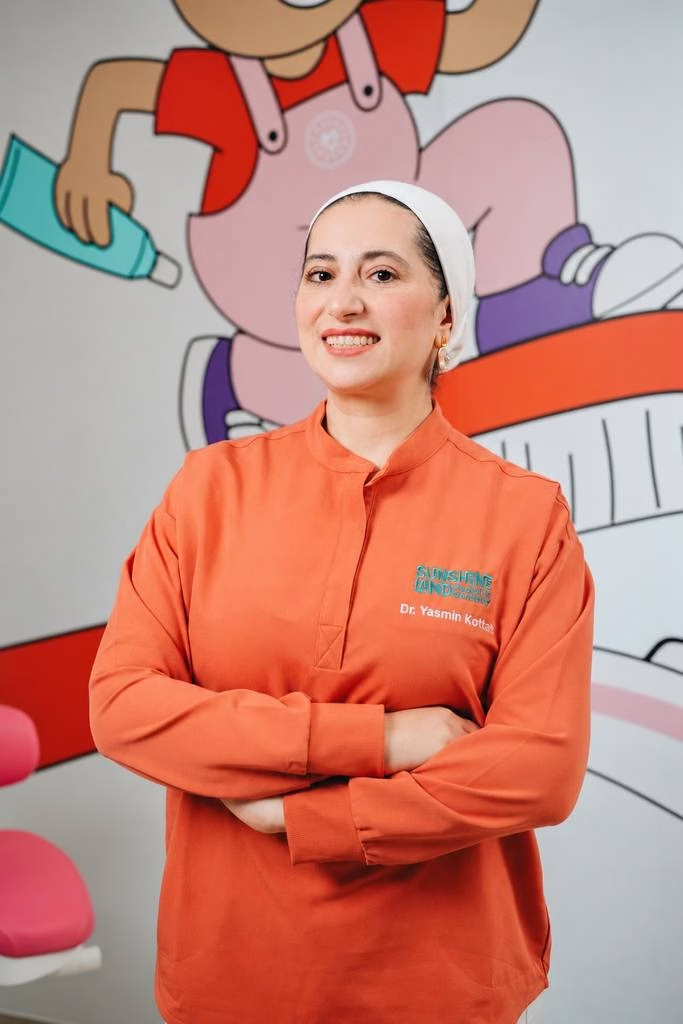
ME: How do you prepare a family so there are no surprises on the day?
YK: Preparation starts before the family arrives:
- A detailed conversation: we ask about triggers, sensory preferences, communication style, what has worked before and what hasn’t.
- A social story: we send it ahead of the visit, with photos and videos of the clinic, so the child can see where they are going and what will happen.
- Desensitisation visits: we call them psychological visits. Nothing is done to the child. They simply come in, explore, meet the team and get to know us, building familiarity and trust before any examination or treatment.
By the time treatment begins, the clinic, the faces and the routine already feel familiar.
Also read: UAE to Host Global Military Medicine Congress with Participation from 120 Countries
ME: Are there tools or techniques specific to autism-aware dental care that general practices don’t use?
YK: Yes. Our motto is “less is best”: the least invasive treatment that is also the most effective, done as quickly and comfortably as possible. Tools that help us do this include:
- Nitrous oxide sedation (“happy air”) to help anxious children relax.
- STA computer-controlled local anaesthesia for gentler, more comfortable numbing.
- Digital impressions and scans instead of messy impression trays, which many sensory-sensitive children can’t tolerate.
- Silver diamine fluoride (SDF) to arrest decay without drilling.
- Curodont to help repair early enamel lesions without drilling.
- Clinical hypnosis and psychology-informed care to manage anxiety.
The AAPD supports minimally invasive options such as SDF for managing decay in young and anxious children. Combined with a sensory-friendly environment and an autism-aware team, these tools mean many children can be treated calmly in the chair, rather than going straight to general anaesthesia.
ME: What should every parent of a sensory-sensitive child know before booking a first dental appointment?
YK: Wherever you book, ask these questions first:
- Is the dentist trained and experienced with autistic, neurodivergent and special needs children? Look for a paediatric dentist with relevant certification.
- Will they take time to learn about your child before the visit? A good clinic asks about triggers, communication and sensory needs.
- Do they offer a social story, photos or a practice visit?
- Can they adapt the environment, including lighting, sound, waiting time and appointment length?
- Do they use minimally invasive options before suggesting general anaesthesia?
- Will you be welcome to stay and help?
And start early. A first dental visit by age one, before any problems, gives your child the chance to build trust with the dentist while nothing hurts. You are your child’s best advocate. The right dental home will treat you as part of the team.