


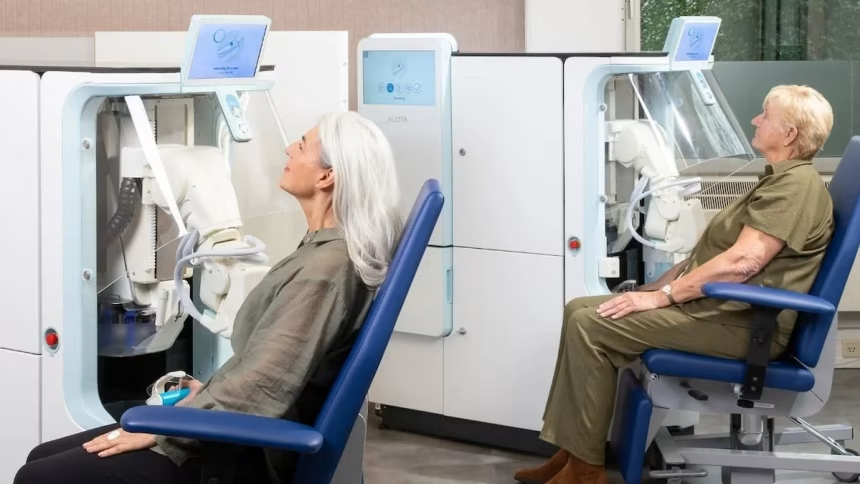
The U.S. Food and Drug Administration (FDA) has authorized Aletta, a robotic blood-drawing device designed to collect blood from a patient’s arm without hands-on operator intervention during the procedure.
Developed by Vitestro, the device is authorized for adults in outpatient settings and must operate under the supervision of a trained phlebotomist. One phlebotomist can oversee up to three Aletta devices, potentially helping healthcare providers manage shortages of trained blood collection professionals.
Also read: Saudi Arabia Distribution Deal Secured for Sky Premium Life Supplements
The device uses near-infrared light and Doppler ultrasound to identify suitable veins and distinguish them from arteries. Once a vein is located, Aletta can autonomously perform several steps, including applying a tourniquet, preparing the skin, inserting and removing the needle, changing collection tubes and applying a bandage. Safety features are designed to stop the procedure if unsafe conditions are detected or if the patient moves excessively.
Click here to join our WhatsApp channel here
“This authorization reflects the FDA’s commitment to advancing innovative medical devices that help meet a critical public health need while maintaining the safety and effectiveness patients deserve,” said Michelle Tarver, M.D., Ph.D., Director of the FDA’s Center for Devices and Radiological Health. “Blood draws are one of the most commonly performed medical procedures in the United States, yet patients may face delays due to a growing shortage of trained phlebotomists.”
The FDA said clinical data showed successful blood draw rates comparable to or better than trained phlebotomists when the device proceeded with a needle stick. Device-related adverse events were uncommon and mild. The authorization was granted through the FDA’s De Novo pathway for novel low- to moderate-risk medical devices.