


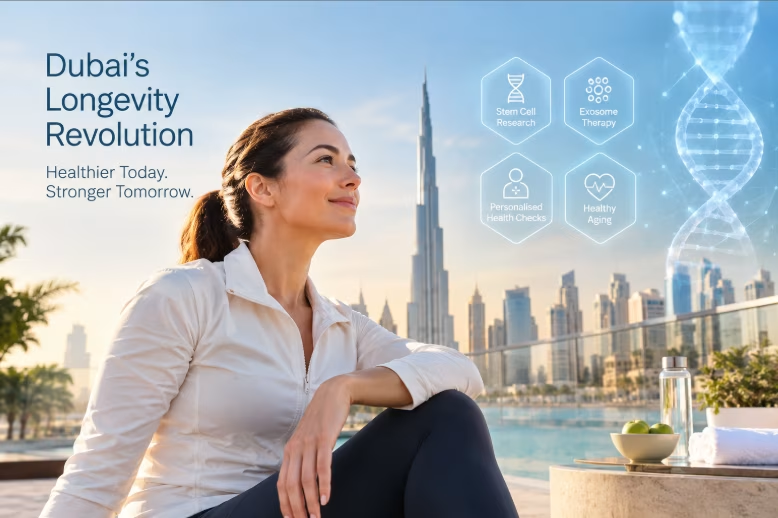
Living longer is one thing. Staying active, independent, and well for those extra years is a much more interesting ambition and one Dubai is taking seriously.
- The real goal: more healthy years, not just more years
- Stem cells: genuine scientific interest, unanswered questions
- Exosomes: promising research, but not a shortcut
- Personalised health is becoming more practical
- A 360-degree view rather than another stack of reports
- What should we actually expect from 2027?
On 27 September 2026, Sheikh Hamdan approved the Dubai Longevity Authority’s strategy, which aims to add more than AED 35 billion to the emirate’s economy over the next decade. The sector is targeting approximately 31% annual growth. That AED 35 billion figure is a projected economic contribution, not a pot of money reserved for treatments. Still, it signals how seriously Dubai is treating the future of healthy ageing.
Click here to join our WhatsApp channel here
The real goal: more healthy years, not just more years
Most people don’t think about longevity in terms of laboratory research. They think about having the energy to travel, keeping up with their children, recovering well after exercise, or simply feeling good in their own body. That is what the best conversations about longevity should come back to.
The shift is from waiting for a problem to appear to understanding risk earlier, using established preventive care, and making changes that can actually improve long-term health. That may sound less dramatic than promising to reverse ageing, but it is far more useful.
Stem cells: genuine scientific interest, unanswered questions
Mesenchymal stromal cells, often referred to as MSCs, are being studied for their interactions with the immune system and their possible role in tissue repair and inflammation. Researchers are exploring applications in areas such as joint health and regenerative medicine.
The science is moving forward, but many applications remain investigational. The important developments to watch in 2027 are better-designed clinical trials, clearer patient-selection criteria, consistent manufacturing and reliable long-term safety data, not another dramatic anti-ageing claim.
EDEN’s dedicated information on stem cell and exosome therapy in Dubai.
Exosomes: promising research, but not a shortcut
Exosomes are tiny particles involved in how cells communicate. Their potential is being investigated across skin, hair, and other fields. Yet a fascinating biological mechanism is not the same as a proven treatment. For many clinical uses, questions about safety, standardisation, and meaningful results still need answers.
That distinction matters. A good longevity consultation should make it easy to separate established options from emerging research, rather than treating every new development as an inevitable breakthrough.
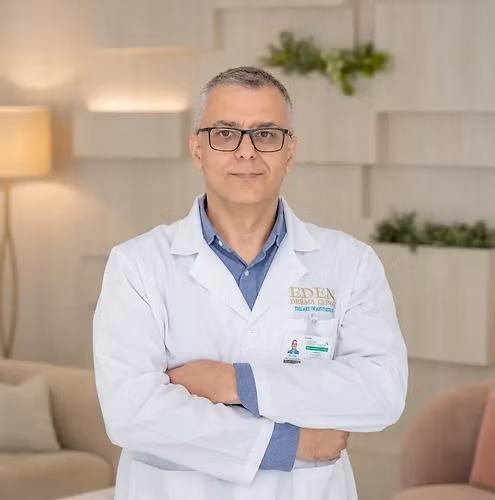
EDEN AESTHETICS Clinic, Dubai, UAE
Personalised health is becoming more practical
One of the more interesting trends is how different kinds of health information can be considered together. Traditional blood tests and clinical assessments can be complemented, when appropriate, by genetic insights and tests that estimate biological ageing. None tells the whole story on its own.
Biological-age tests, for example, offer estimates based on measured markers; they do not reveal the date someone will die or diagnose a disease. Genetic reports can highlight predispositions, but lifestyle, medical history, and clinical interpretation still matter. The value comes from asking what the information changes in real life.
A 360-degree view rather than another stack of reports
This thinking also inspired the EDEN 360° concept at EDEN AESTHETICS Clinic in Dubai: an integrated longevity, anti-ageing and general health check that looks at the person rather than one isolated result. Depending on the individual programme, that can bring together blood and metabolic markers, biological-age testing, DNA insights and broader preventive assessments, including oral health, followed by a discussion of sensible next steps.
The point is not that everyone needs every test. In fact, some of the most valuable recommendations may be familiar: improve sleep, build strength, address cardiovascular risk or follow up on an abnormal clinical finding. Additional tests only earn their place when they help answer a useful question.

EDEN also has three physicians working across longevity and regenerative medicine, including consultations relating to stem cells, exosomes and other emerging approaches. Their role is to assess the individual clinical picture and discuss potential options alongside the evidence, limitations, and relevant regulatory requirements.
Explore the EDEN 360° personalised longevity and health check-up at EDEN AESTHETICS Clinic in Dubai.
Also read: AI Surgical Intelligence Platform to Support Operating Rooms in Abu Dhabi
What should we actually expect from 2027?
More attention, more investment and, hopefully, stronger evidence. Dubai’s new longevity strategy could help create an environment where preventive medicine, responsible innovation and clinical research develop side by side. But progress should be measured by better patient outcomes, not by the number of new treatments on a menu.
For most people, the smartest place to start is simpler: know your baseline, understand your risks, and build a realistic plan you can follow. The future of longevity may be high-tech. The purpose of it is unmistakably human.


