


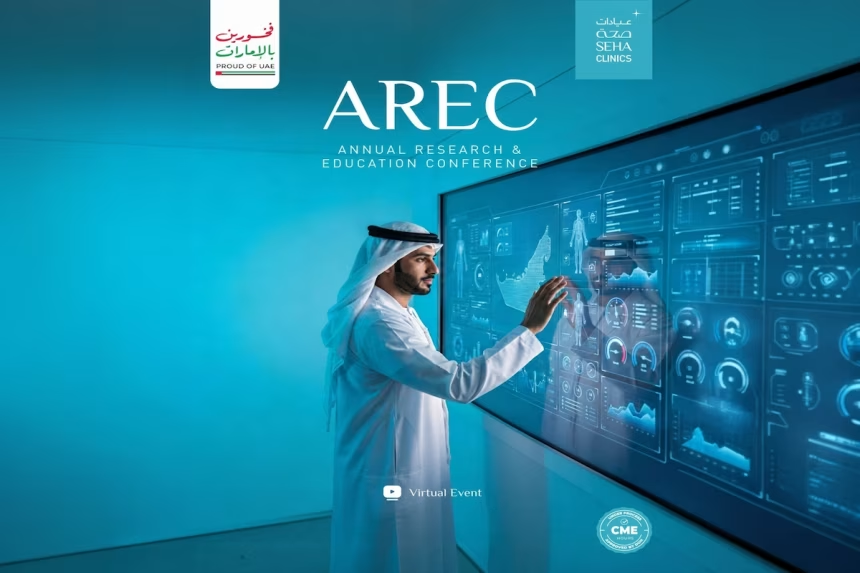
Abu Dhabi, UAE: SEHA CLINICS highlighted the importance of early screening, prevention, and healthy lifestyle habits during the Annual Research and Education Conference 2026 (AREC26), where experts shared the latest evidence on improving long-term health outcomes.
The virtual conference brought together more than 4,000 healthcare professionals, with 30 expert speakers and 21 research presentations covering child health, chronic disease prevention, lifestyle medicine, digital health, and patient-centred care.
Dr. Salama Al Hosani, Acting Chief Medical Officer at SEHA CLINICS, said: “Many of the health challenges we see in adulthood begin much earlier in life. The conversations at AREC once again highlighted the importance of identifying risk factors early, supporting healthy behaviours from childhood, and ensuring families have access to trusted healthcare services within their communities. Childhood obesity, nutritional deficiencies, and chronic health conditions are becoming increasingly important public health priorities worldwide. Through regular screening and continuous family-centred care, we can help children achieve healthier outcomes throughout their lives.”
Also read: New Digital Platform Aims to Improve Everyday Diabetes Management in the UAE
Discussions focused on tackling childhood obesity, anaemia, nutritional deficiencies, dyslipidaemia, and the early detection of chronic diseases, emphasizing the role of timely intervention and collaboration between healthcare providers, schools, and families.
Dr. Latifa Mohammed Al Ketbi, Chair of Academic Affairs at SEHA CLINICS, added: “The UAE population has unique risk factors for developing chronic diseases, and the conference included important updates from local research conducted in Abu Dhabi. The research identified the prevalence and determinants of a number of chronic diseases. Participating researchers presented findings showing a high prevalence of dyslipidaemia among younger people, as well as important determinants of kidney health, diabetes, hypertension, and vitamin D and vitamin B12 deficiencies. These identified risk factors provide an opportunity for prevention and early management. AREC26 gave healthcare professionals the opportunity to exchange knowledge, share experiences, and discuss the latest evidence so we can continue improving prevention, patient care, and ultimately the health of our communities.”
Research presented at the conference also identified a high prevalence of dyslipidaemia among younger people, alongside key risk factors for diabetes, hypertension, kidney disease, and vitamin D and B12 deficiencies, highlighting opportunities for earlier prevention and management.