


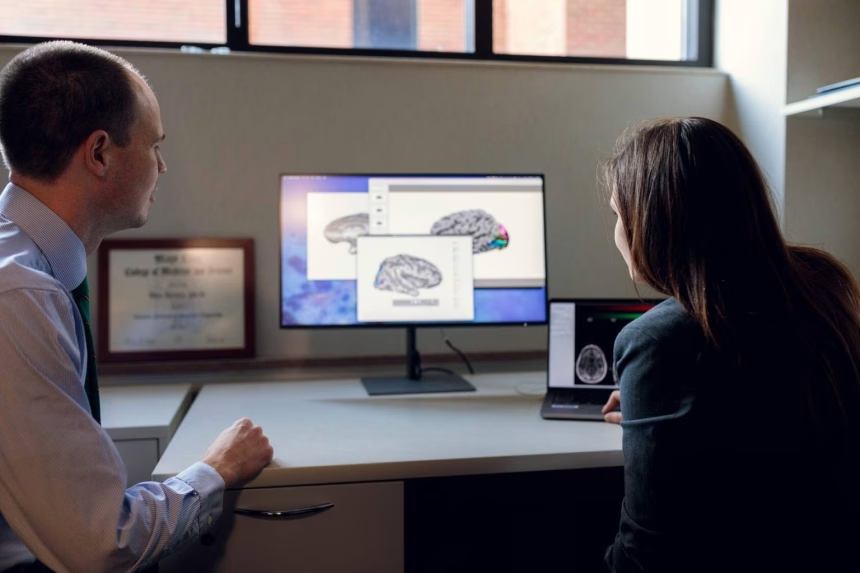
Researchers at Mayo Clinic have developed a detailed map of the pulvinar, a deep brain region that could help improve deep brain stimulation (DBS) for people with drug-resistant epilepsy.
The researchers studied 30 patients with drug-resistant epilepsy who already had temporary brain electrodes implanted as part of their clinical care. By delivering small electrical pulses and recording the brain’s responses, they mapped how different parts of the pulvinar communicate with areas involved in vision, memory, language, and attention.
The findings showed that the pulvinar is made up of specialised regions rather than functioning as a single structure, highlighting the importance of precise electrode placement during neuromodulation therapy.
Click here to join our WhatsApp channel here
“We were surprised by how large, detailed and complex this deep brain structure is, and by its potential role in guiding epilepsy treatments,” says Dr. Dora Hermes Miller, a biomedical engineer at Mayo Clinic and senior author of the study
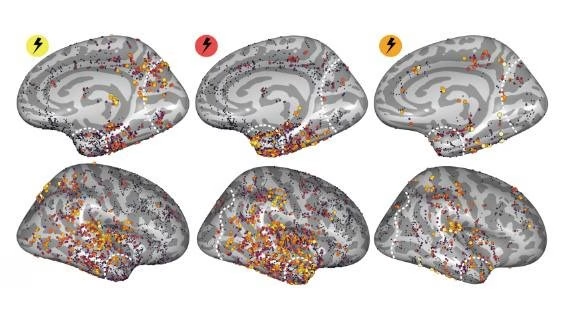
Co-author Dr. Nick Gregg added “We are already using the pulvinar maps to help individualize pulvinar deep brain stimulation targeting in patients with drug-resistant epilepsy, while continuing to study how these maps relate to long-term outcomes.”
Epilepsy affects more than 50 million people worldwide, and about one-third of patients continue to experience seizures despite medication. Researchers believe the findings could help tailor neuromodulation therapies to each patient’s unique brain networks, making treatment more precise and effective.
Also read: EU Approves First Gene Replacement Therapy for Wider Spinal Muscular Atrophy Population