


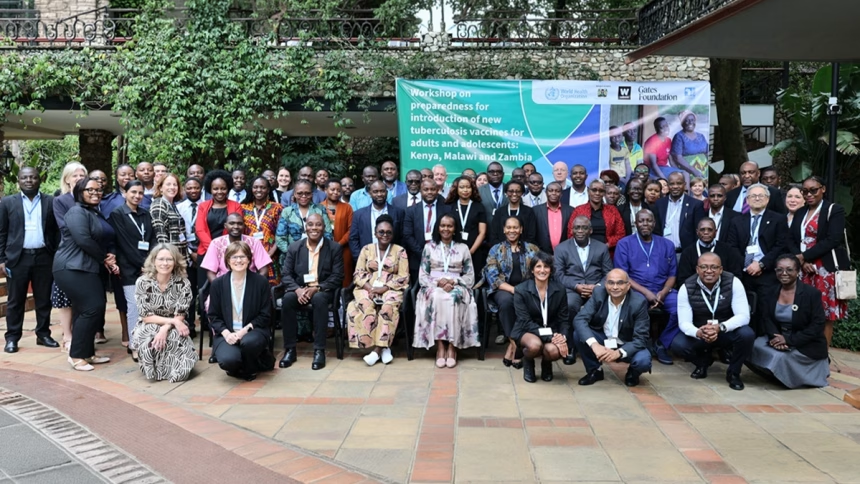
The World Health Organization hosted a workshop in Nairobi with health officials from Kenya, Malawi and Zambia along with more than 80 stakeholders including civil society, donors, regulators, TB survivors, and immunization partners. The focus was on preparing countries for the potential introduction of new tuberculosis vaccines for adults and adolescents currently in late-stage development.
The vaccine is expected to become available as early as 2029, depending on clinical trial outcomes. Participants discussed its potential impact on global TB control, with estimates suggesting that a vaccine with 50% efficacy could prevent millions of cases and deaths while also reducing long-term treatment costs, especially in low-income settings.
Also read: Qatar Launches National Tuberculosis Plan 2026–2030 to Strengthen Disease Prevention
Officials from Kenya, Malawi, and Zambia shared progress on national preparedness, including their involvement in clinical trials. They highlighted the need to design country-specific introduction roadmaps based on health system capacity, disease burden, and existing immunization structures.
Dr Neema Rusibamayila Kimambo said,“Tuberculosis remains a significant challenge in Africa, causing approximately 2.5 million people falling ill and over 400 000 deaths each year. Kenya is proud to participate in late-stage clinical trials for new TB vaccines for adults and adolescents and will be one of the first countries to implement in the region. We are very pleased to host this meeting that brings together TB and immunization colleagues from across east Africa to exchange ideas, experiences and knowledge that will help each of the countries envision roadmaps for implementation of novel TB vaccines as part of broader efforts to combat TB.”
Key discussions centered on identifying priority groups for vaccination, delivery strategies, and evidence needed for regulatory approval and national adoption. Lessons from previous vaccine rollouts such as COVID-19 and malaria were also reviewed, especially around planning and coordination.
Click here to join our WhatsApp channel here
The meeting concluded with agreement to establish multi-sector technical working groups to guide planning, improve coordination, and strengthen engagement with policymakers and communities. It also emphasized the role of civil society involvement, political commitment, and implementation research to support successful rollout once the vaccine becomes available.


