


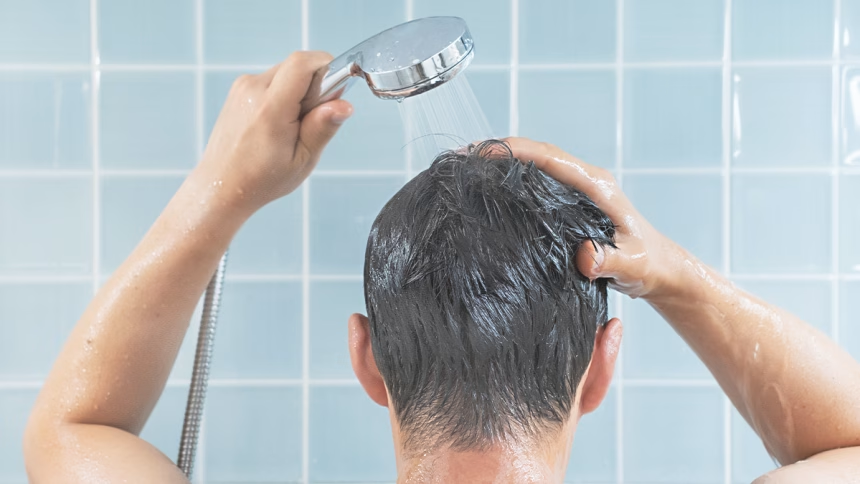

Shower baths are a daily routine for most people, but concerns about hair fall often arise. Scientifically, showering itself doesn’t directly cause significant hair loss; however, certain practices during showers can exacerbate existing conditions. Research from dermatological studies indicates that hair fall is influenced by multiple factors, with showers playing a minor role compared to genetics and lifestyle. Let’s explore this in detail.
Hair fall and shower baths
Hair fall, or alopecia, involves the natural shedding of 50–100 hairs per day. During showers, this process becomes more noticeable as water dislodges loose hairs. A 2022 review in the International Journal of Trichology suggests that hot water and aggressive scrubbing can disrupt the scalp’s protective barrier and increase dryness, which may make hair more prone to breakage. However, this is not a primary cause but rather a trigger for those with underlying issues. For instance, studies on water temperature show that prolonged exposure to water above 40°C (104°F) can strip the scalp’s natural oils, causing dryness and potential breakage. In healthy individuals, this effect is minimal and reversible.
Reasons for hair fall
Hair fall stems from a combination of genetic, environmental, and lifestyle factors. Here’s a breakdown based on scientific consensus:
Genetic factors
- The most common cause is androgenetic alopecia, affecting up to 50% of men and women by age 50, as per genetic studies. This involves hormones like dihydrotestosterone (DHT) shrinking genetically sensitive hair follicles, typically around the crown and hairline.
Environmental and lifestyle triggers
- Nutritional deficiencies: Lack of iron, vitamin D, or biotin can weaken hair, according to nutrition research.
- Stress and hormonal changes: Events like pregnancy or high stress elevate cortisol, leading to telogen effluvium, where hairs enter a resting phase.
- Shower-related factors: Harsh shampoos with sulfates or hot water can irritate the scalp, as noted in dermatology reviews, but these are secondary to core issues.
- Medical conditions: Autoimmune diseases like alopecia areata or scalp infections contribute significantly.
How to prevent hair fall
Preventing hair fall involves adopting evidence-based habits. Research from the British Journal of Dermatology emphasizes gentle care routines:
Also Read: Cough syrup-linked deaths in India: What you need to know
Optimize Shower Practices
- Use lukewarm water (below 38°C or 100°F) to preserve scalp oils.
- Gently massage shampoo into the scalp without scrubbing vigorously.
Daily hair care tips
- Nutritional support: Consume a balanced diet rich in proteins, vitamins (e.g., B12, iron), and omega-3s to strengthen follicles.
- Product choices: Opt for sulfate-free shampoos and conditioners to reduce irritation.
- Scalp health: Apply natural oils like coconut oil post-shower to maintain moisture. Studies indicate coconut oil can reduce protein loss from hair strands, helping maintain strength and shine.
Lifestyle adjustments
- Manage stress through exercise or meditation, which can reduce telogen effluvium.
- Avoid tight hairstyles that pull on hair, and limit heat styling tools.
Consult a dermatologist if hair fall exceeds normal levels, as early intervention can address underlying causes.