


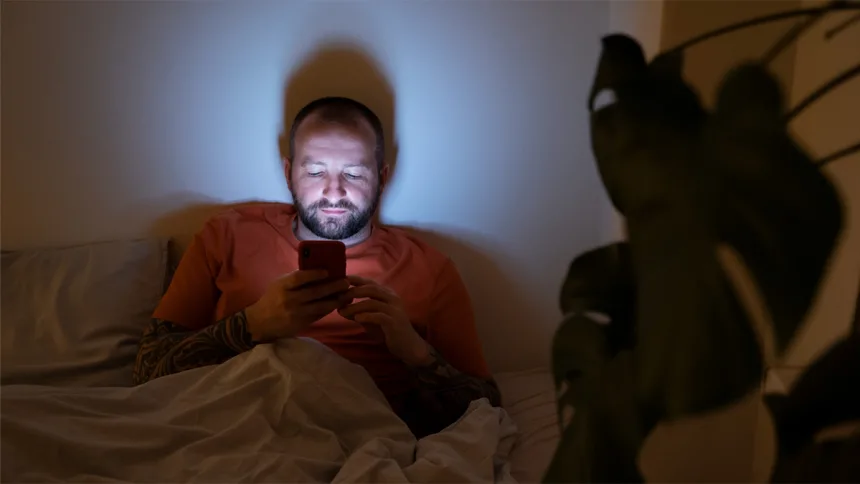

“Are you a day or night person?” is a common question that usually reflects our lifestyles and routines. For many people, being a “night owl” has become a normalized trait, reflecting late-night productivity or social activities. However, this practice comes with a significant health cost. Late nights cause disruption to the circadian rhythm, which is the body’s 24-hour internal clock that regulates the sleep-wake cycle, hormone production, and numerous physiological processes. According to scientific studies, this disruption triggers a series of health consequences affecting our mental, emotional, and physical well-being. However, what exactly are these consequences, and how do they affect us in ways we might not even realize?
Sleep deprivation and cognitive decline
One of the most immediate consequences of late nights is sleep deprivation. It is important to note that the National Sleep Foundation recommends 7–9 hours of sleep for adults, yet late nights compromise this amount and result in feeling drowsy and sleep-deprived. Moreover, sleep deprivation has been associated with decreased cognitive function, memory impairment, slower reaction time, and reduced focus.
Several studies have revealed that sleep deprivation impairs the brain’s ability to transfer information from the hippocampus to the prefrontal cortex, which is a process essential for memory consolidation. Therefore, prolonged lack of sleep can accelerate cognitive decline and result in an increased risk of dementia and Alzheimer’s disease later in life.
Risk of diabetes
Late nights also impact metabolic health, contributing to weight gain, insulin resistance, and type 2 diabetes mellitus. A 2022 meta-analysis of 39 studies revealed that individuals who stayed up late had a significantly higher risk of developing diabetes, along with several other health conditions. Moreover, sleep deprivation can influence insulin response, mental health, food intake, and eating habits. These factors can all have an impact on diabetes management. A study published in the Nutrition & Diabetes journal in 2020 recommended consuming meals earlier in the day as a beneficial practice, especially for individuals with diabetes.
Poor psychological well-being
Sleep deprivation alters emotional regulation, making individuals more susceptible to anxiety, irritability, and mood swings. A study published in 2021 reported that people who like to stay up late are predisposed to conditions ranging from mood disorders to personality disorders. Moreover, numerous research has supported that late-night people may face greater challenges in regulating their emotions effectively. According to a 2017 study, late-night people are more likely to suppress their emotions and less likely to engage in cognitive reappraisal—the ability to reframe thoughts positively, such as “looking on the bright side”—compared to morning people.
Immune system impairment
Sleep serves as an essential period of physical restoration and plays a key role in maintaining a strong immune system. It supports both innate and adaptive immunity, ensuring the body has an effective defense system. Studies showed that specific immune system components become more active during sleep. For example, the production of cytokines—proteins essential for immune response and inflammation—increases during this time, a process influenced by both sleep itself and the body’s circadian rhythm.
Similar to how sleep helps the brain in consolidating learning and memory, it also enhances immune memory. During sleep, interactions between various immune components strengthen the body’s ability to recognize and respond to harmful antigens, improving its defense mechanisms for the future.
Increased alcohol consumption and smoking
A late-night lifestyle is often associated with other unhealthy habits. According to research published in 2020, young adults who prefer staying up late are generally more impulsive compared to those who go to bed earlier. This increased impulsivity may contribute to a higher likelihood of engaging in behaviors such as smoking and alcohol consumption.
From disrupted sleep patterns and hormonal imbalances to an increased risk of chronic conditions and mental health issues, the cost of late nights is high.
Shahd Abouelenen, Final-Year Medical Student at Gulf Medical University, UAE
Additionally, a study published in 2021 revealed a connection between individuals who stay up late and increased alcohol consumption. However, it is important to note that this does not apply to everyone since there is no conclusive evidence that staying up late directly causes these behaviors. Another perspective is that these unhealthy habits might be disrupting sleep patterns, preventing individuals from getting sufficient restful sleep.
Also Read : Exploring Sleep Factors: Promoting Restful Sleep in the MENA Region
Teenagers can be particularly negatively influenced by late nights. A 2021 research that examined 349 teenagers’ sleep-wake patterns and published in the Journal of Youth and Adolescence, concluded that teenagers who stayed up late, especially boys, were more likely to engage in risky behaviors and substance use compared to their peers who did not stay up late.
Weight gain
Late nights are closely linked to weight gain, as individuals often continue snacking late into the night, particularly on food high in fat, carbohydrates, and sugar. They are typically consumed as sources of energy or for entertainment, leading to excessive calorie intake. Moreover, getting insufficient sleep reduces leptin (satiety hormone) levels while simultaneously increasing ghrelin (hunger hormone) levels. This hormonal imbalance increases appetite and cravings, particularly for high-calorie, unhealthy food, making it more difficult to control food intake and maintain a healthy weight.
Skin and physical appearance
The phrase “beauty sleep” has a scientific basis. Sleep is crucial for cellular repair and regeneration, processes that are particularly evident in the skin. Late nights interfere with this repair cycle, resulting in premature aging, dull complexion, and the development of fine lines and wrinkles. Studies have shown that chronic sleep deprivation increases cortisol (stress hormone) levels, which breaks down collagen, a protein essential for skin elasticity. Moreover, late nights often lead to periorbital edema (puffy eyes) and hyperpigmentation (dark circles), visibly seen as a result of insufficient rest.
Solutions for a healthier routine
- Set a consistent sleep schedule to help regulate the circadian rhythm.
- Limit screen time to enhance melatonin production.
- Create a relaxing bedtime routine.
- Avoid stimulants such as caffeine, smoking, and alcohol intake, particularly in the evening.
- Optimize the sleep environment by keeping the bedroom dark, cool, and quiet to create ideal conditions for restful sleep.
- If sleep disturbances persist, consulting a sleep specialist can uncover underlying issues such as insomnia or sleep apnea.
Ultimately, late nights may seem like a harmless part of modern life but the health consequences are far-reaching and can significantly impact cognitive, physical, and emotional well-being. From disrupted sleep patterns and hormonal imbalances to an increased risk of chronic conditions and mental health issues, the cost of late nights is high. However, by adopting healthier sleep habits, managing lifestyle choices, and prioritizing rest, we can reduce these risks and improve our overall health.