


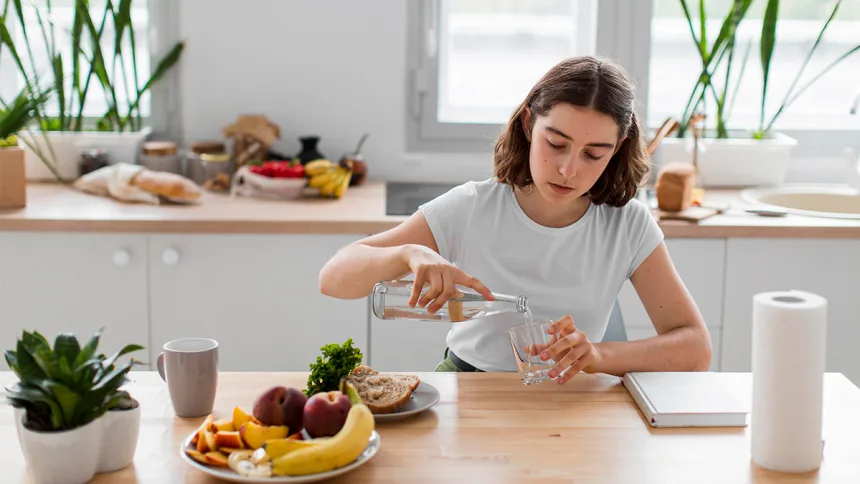

Ahmed was having lunch with his friend Omar. As he reached for his glass of water, Omar warned him against drinking water with his meal, saying it disrupts digestion and dilutes digestive juices. Now hesitant and confused, Ahmed wonders—like many people—does drinking water during meals helps or harms digestion.
This scenario highlights an everyday debate that has caused much confusion for years. On one hand, some people believe that drinking water during meals dilutes digestive juices and impacts nutrient absorption. On the other hand, studies suggest that proper hydration can support overall digestion. This raises the question: is drinking water with meals a health risk, or is it a harmless habit? Let’s dive into the science behind digestion to find some clarity.
Understanding digestion
To understand if drinking water disrupts digestion, it is important to understand how the digestive process functions. The first step in digestion is the breakdown of food by oral enzymes while chewing. Upon arrival to the stomach, solid food undergoes further digestion by hydrochloric acid and other gastric enzymes, resulting in a semi-liquid mixture called chyme. This mixture then passes through the small intestine and mixes with pancreatic enzymes and bile, aiding in the absorption of nutrients and water into the bloodstream.
The breakdown of proteins, fats, and carbohydrates into forms the body can absorb is largely dependent on enzymes and stomach acids. With an average pH of 1 to 3.5, the stomach’s highly acidic environment provides the ideal conditions for enzyme activity. However, do these acids and enzymes get diluted when water enters the digestive tract and potentially interfere with the well-coordinated digestion process?
Does water dilute digestive juices?
One of the most common myths about drinking water with meals is that it dilutes stomach acid and digestive enzymes, making it harder to digest food effectively. However, scientific evidence does not support this claim.
The stomach has a remarkable ability to maintain its acidic environment despite adding more fluids. Although drinking water with food may temporarily raise the stomach’s pH, the body quickly compensates by producing more gastric acid, restoring the ideal acidic environment. In other words, the stomach adapts by regulating pH levels as needed, so the brief presence of water does not interfere with the overall digestion process.
Effects of drinking water before, during, and after meals
Understanding the effects of drinking water before, during, and after a meal can provide clearer insight into its possible impact on digestion.
- Before Meals: Drinking water 30 minutes before a meal can help stimulate appetite and prepare the digestive system for incoming food. Research shows that water consumption before meals may support weight management by promoting a feeling of fullness, which can lead to eating less during meals.
- During Meals: Drinking small amounts of water can help moisten food, making it easier to chew and swallow. For some people, this may aid the mechanical process of digestion. However, excessive water consumption during meals may cause bloating in some individuals, especially those with sensitive digestive systems.
- After Meals: Drinking water after meals can help in the final stages of digestion by facilitating food movement through the intestines. Water can ease the process of digestion and result in softer stools, alleviating constipation and indigestion.
Research on the effects of drinking water during meals is relatively limited, but the studies available suggest that moderate water consumption with meals is generally harmless. However, excessive water intake during meals may cause potential downsides, particularly in individuals with preexisting digestive issues.
Advantages
- Supports Nutrient Absorption: Water can help dissolve vitamins, minerals, and other nutrients from food and transport them across the intestinal wall into the bloodstream.
- Aids in Digestion: Drinking water can help prevent constipation and enhance the digestive process.
- Appetite Control and Reduces Calorie Intake: Drinking water before and during meals can aid in appetite regulation by creating a feeling of fullness, which may prevent overeating and support weight management. However, this effect does not apply to calorie-containing beverages, such as sugary drinks or carbonated sodas.
Disadvantages
- Bloating and Discomfort: Drinking large amounts of water may cause bloating in people with sensitive stomachs.
- Aggravated GERD symptoms: Individuals with certain gastrointestinal conditions, such as gastroesophageal reflux disease (GERD), should limit water intake during meals, as it can increase the volume of stomach contents and, consequently, raise the risk of acid reflux due to increased pressure.
Tips for hydration and meal timing
- Take small sips
- Choose room temperature water.
- Avoid sugary drinks or carbonated beverages.
- Stay hydrated consistently throughout the day.
Listen to your body. If drinking water with meals causes discomfort, try adjusting your water intake and note any changes in how you feel.
Although drinking water with food may temporarily raise the stomach’s pH, the body quickly compensates by producing more gastric acid, restoring the ideal acidic environment.
Answering the debate and finding balance
After exploring the science behind digestion and addressing the common misconceptions, it becomes clear that drinking water during meals is largely a matter of personal comfort and balance. While Omar may worry about water diluting digestive juices, research shows that the stomach’s remarkable adaptability ensures that moderate water intake with meals does not interfere with digestion.
Also Read: How Much Walking Is Too Much?
Ultimately, whether or not to drink water with meals depends on individual needs and comfort. Drinking water can help many people with digestion without any negative effects. On the other hand, individuals with certain digestive conditions, like GERD, may need to be more cautious about their fluid intake with meals to avoid potential discomfort or symptom aggravation. It is important to pay attention to your individual needs, as this will help you find the right balance to support both hydration and a smooth digestive process.