
• Duphat
  • infinia camp
mededge mea logo web MedEdge_Logo_Dark

Public Relations, Top Health Magazine and Healthcare News GCC

  • Newsletters
  • Magazines
  • Subscribe
  • Home
  • News
  • Opinion
  • Interviews
  • Featured
  • Cover Stories
  • Events
  • Health For all
    • Ageing Gracefully
    • Family Health Matters
    • Environment Health
    • Women and Child Health
    • Men’s Health
  • Resource Hub
    • Fresh Perspectives
    • Medical Tourism
    • Medical Education
    • Personnel
    • Research
      • Healthcare Journals & Publishers
    • Healthcare Campaigns
    • Health Tools Hub
    • Dubai Health Centers Directory | Services, Locations & Timings
    • ME Explained
Reading: Why Kidney Stones Present a High Shoreside Evaluation Rate?
Share
Notification
  • Duphat
  • infinia camp
mededge mea logo web
  • Magazines
  • Newsletters
  • Profiles
  • Subscribe
Search
  • Home
  • News
  • Opinion
  • Interviews
  • Featured
  • Cover Stories
  • Events
  • Health For all
    • Ageing Gracefully
    • Family Health Matters
    • Environment Health
    • Women and Child Health
    • Men’s Health
  • Resource Hub
    • Fresh Perspectives
    • Medical Tourism
    • Medical Education
    • Personnel
    • Research
    • Healthcare Campaigns
    • Health Tools Hub
    • Dubai Health Centers Directory | Services, Locations & Timings
    • ME Explained
Have an existing account? Sign In
MedEdge MEA > Life Style & Wellness > Why Kidney Stones Present a High Shoreside Evaluation Rate?
Life Style & WellnessHealth For AllNews

Why Kidney Stones Present a High Shoreside Evaluation Rate?

ME Desk
ME Desk
Published: March 12, 2024
Share
5 Min Read
Why Kidney Stones Present a High Shoreside Evaluation Rate?
SHARE

March 2024- Ahead of World Kidney Day (14 March), MedSea, an International SOS Company, shares insights into seafarer kidney health. In 2023, a multinational study revealed that approximately 850 million people are affected by chronic kidney disease (CKD) worldwide (10%), a significant burden on global health.

Contents
  • SEAFARERS & KIDNEY STONES: WHAT DOES THE DATA REVEAL?
  • Kidney stone severity depends on factors like the stoneโ€™s size and location and can cause various symptoms including:
  • OTHER TYPES OF KIDNEY PROBLEMS
    • TIPS FOR MANAGEMENT TO HELP PREVENT KIDNEY ISSUES AMONG EMPLOYEES/SEAFARERS

The kidneys play an important role in the body, filtering waste products and excess fluids from the blood, maintaining a balance of electrolytes and producing urine.

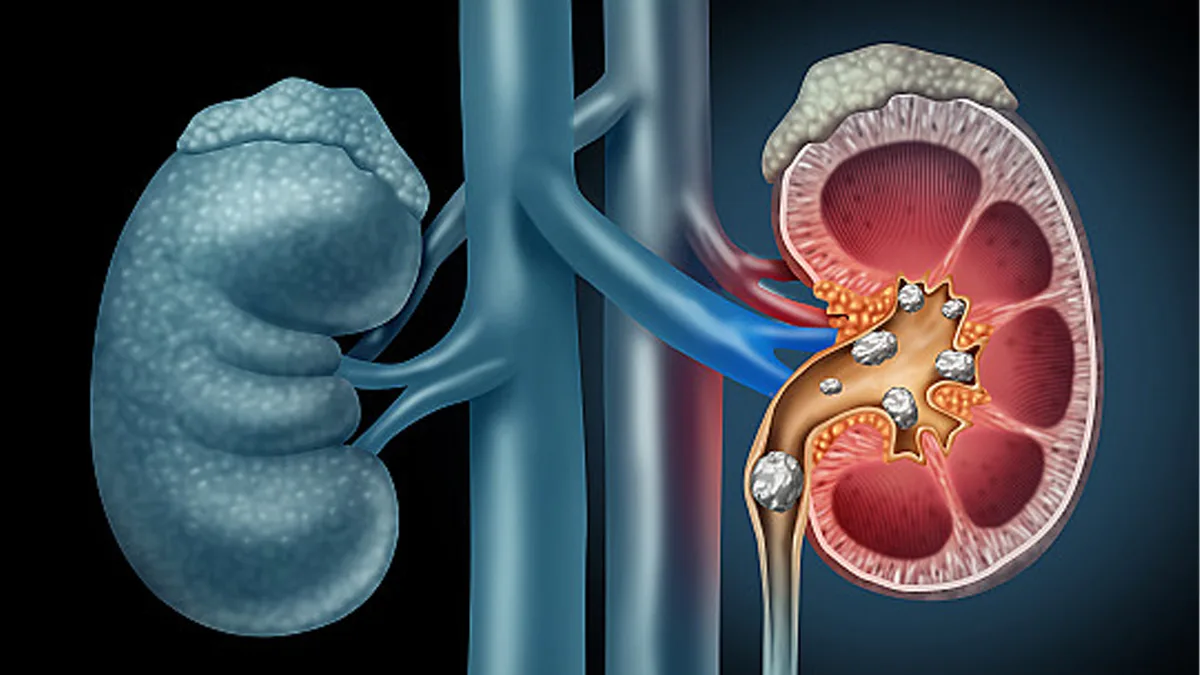
For seafarers, kidney stones (hard deposits of minerals and salts that cluster together in the kidneys and urinary tract) are the most common kidney-related problem. They represent approximately 1-2 cases weekly, over 60% of MedSeaโ€™s urological cases. Dehydration is a common contributing factor to kidney stones but medical conditions such as diabetes, high blood pressure, gout, and previous kidney stones can also increase the risk.

SEAFARERS & KIDNEY STONES: WHAT DOES THE DATA REVEAL?

The majority (70%) of kidney stone cases require onshore evaluation. Dr Katherine Sinclaire, Senior Medical Advisor at MedSea says that โ€˜โ€™The shoreside evaluation rate is significantly higher than that seen for most other medical categories. This is because, even if your symptoms are resolved, special imaging studies such as a CT scan or ultrasound are needed to determine if all the stones have passed. If they havenโ€™t, it could pose a significant risk of developing renal colic further down the line. In 35% of cases, the kidney stones are not passed quickly, and the seafarer needs to return home for treatment.โ€™โ€™

Kidney stone severity depends on factors like the stoneโ€™s size and location and can cause various symptoms including:

  • Pain: In the side of the abdomen, flank or groin. Often severe, and can come on in waves, hence described as renal colic.
  • Vomiting: Due to severe pain
  • Blood in the urine (haematuria): This is a common finding in kidney stones but often is not visible to the naked eye and can only be detected on a urine strip test, hence the importance of having these simple tests on board.
  • Pain or difficulty when urinating

Often the body can pass kidney stones on its own, however, sometimes they require intervention such as surgery or using shock wave therapy to break them into smaller pieces.

A kidney stone that does not pass may obstruct urine flow resulting in back pressure on the kidneys, which can cause kidney damage.

OTHER TYPES OF KIDNEY PROBLEMS

Although kidney stones are most seen onboard, advocacy for kidney health as a whole, among seafarers is very important. Other kidney-related issues include:
โ€ข Urinary Tract Infections (UTIs): UTIs can affect different parts of the urinary tract, including the bladder, urethra and kidney. Keeping well hydrated can often prevent these infections and treating them onboard is possible when detected early.
โ€ข Chronic Kidney Disease: A progressive condition where the kidneys gradually lose their function over time. The most common causes are poorly controlled diabetes and high blood pressure.

Illnesses affecting the kidneys and urinary tract can present with a variety of symptoms such as pain in the abdomen or kidney area, problems passing urine or even non-specific symptoms such as vomiting or fever.

TIPS FOR MANAGEMENT TO HELP PREVENT KIDNEY ISSUES AMONG EMPLOYEES/SEAFARERS

Given the pain and potential for complications, kidney issues pose wider implications to productivity and work safety. Management should consider the following, to encourage kidney health and mitigate kidney stone cases.

Also Read: Understanding Hernias: The Various Types and What to Look Out for

Education and Awareness:
โ€ข Raise awareness about common signs and symptoms.
โ€ข Provide crew members with informational materials.

Hydration and Nutrition:
โ€ข Promote adequate water intake.
โ€ข Provide/encourage balanced meals with essential nutrients.

Control of Underlying Risk Factors:
โ€ข Control of medical conditions that are risk factors for kidney stones will help to. prevent them from forming.
Emergency Protocols:
โ€ข Equip crew with knowledge on handling kidney-related emergencies.
โ€ข Ensure seafarers obtain medical advice early and often to manage the situation effectively.

By implementing preventive measures and fostering a culture of health awareness, you can safeguard your seafaring workers and ensure smooth voyages.


Share This Article
Facebook Whatsapp Whatsapp LinkedIn Copy Link
Share
Previous Article INTERNATIONAL WOMENโ€™S DAY: FIVE TIPS FOR ASPIRING FEMALE DOCTORS INTERNATIONAL WOMENโ€™S DAY: FIVE TIPS FOR ASPIRING FEMALE DOCTORS
Next Article What's the Story Behind Smile Train in Dubai? What’s the Story Behind Smile Train in Dubai?

Recent Posts

  • From market access to national ambition, gulf healthcare is playing a longer game
  • New Push for HIV Innovation and Access Aims to Accelerate Progress Toward 2030 Goals
  • WHO Discusses Digital Health and Humanization of Care at Scientific Conference
  • Rising Ebola Cases Deepen Humanitarian Crisis for Children in DR Congo
  • Burjeel holdings secures dual credit ratings and launches USD 1.5 billion sukuk programme
  • duphat
  • MedEdge-Infinia
Two Point Five Logo white
  • About Us
  • Contact Us
  • Medical Disclaimer
  • Privacy Policy
  • Terms and Conditions
  • Cookie Policy (EU)
  • Submit Your Story
  • MediaKit
Reading: Why Kidney Stones Present a High Shoreside Evaluation Rate?
Share

Published by Two Point Five Media FZCO

  • About Us
  • Contact Us
  • Medical Disclaimer
  • Privacy Policy
  • Terms and Conditions
  • Cookie Policy (EU)
  • Submit Your Story
  • MediaKit
Reading: Why Kidney Stones Present a High Shoreside Evaluation Rate?
Share

Follow US on Social Media

Facebook Instagram Linkedin X-twitter Youtube Whatsapp
Manage Consent
To provide the best experiences, we use technologies like cookies to store and/or access device information. Consenting to these technologies will allow us to process data such as browsing behavior or unique IDs on this site. Not consenting or withdrawing consent, may adversely affect certain features and functions.
Functional Always active
The technical storage or access is strictly necessary for the legitimate purpose of enabling the use of a specific service explicitly requested by the subscriber or user, or for the sole purpose of carrying out the transmission of a communication over an electronic communications network.
Preferences
The technical storage or access is necessary for the legitimate purpose of storing preferences that are not requested by the subscriber or user.
Statistics
The technical storage or access that is used exclusively for statistical purposes. The technical storage or access that is used exclusively for anonymous statistical purposes. Without a subpoena, voluntary compliance on the part of your Internet Service Provider, or additional records from a third party, information stored or retrieved for this purpose alone cannot usually be used to identify you.
Marketing
The technical storage or access is required to create user profiles to send advertising, or to track the user on a website or across several websites for similar marketing purposes.
  • Manage options
  • Manage services
  • Manage {vendor_count} vendors
  • Read more about these purposes
View preferences
  • {title}
  • {title}
  • {title}

WhatsApp us

Logo of Medede mea
Welcome Back!

Sign in to your account

Username or Email Address
Password

Lost your password?