

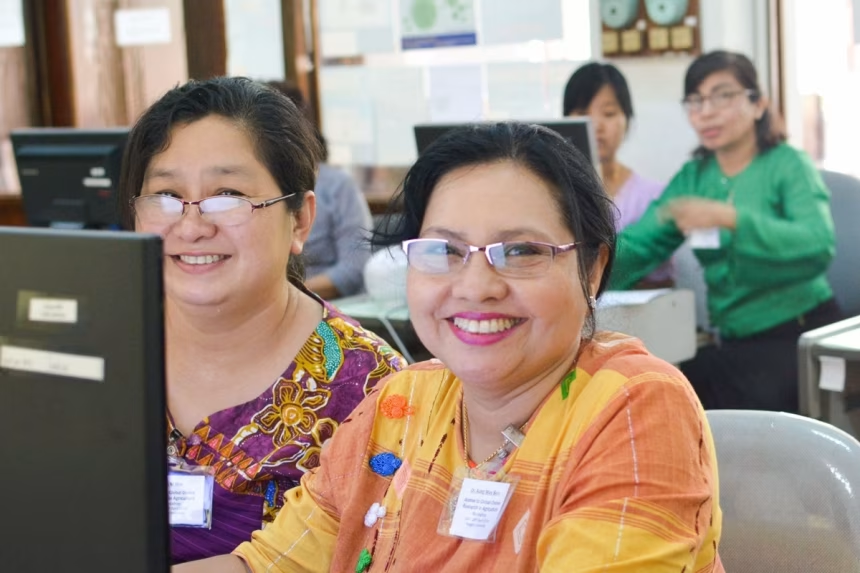

Geneva: The World Health Organization (WHO) has marked the 25th anniversary of Research4Life, a global public-private partnership that has expanded affordable and free access to scientific knowledge for researchers, educators, healthcare professionals, and policymakers in more than 120 low- and middle-income countries.
Launched by WHO in 2001, Research4Life has grown into one of the world’s largest initiatives promoting equitable access to scientific research. Independent studies show the programme has increased research publishing by up to 75%, boosted participation in international clinical trials by more than 20%, and increased publication rates among women researchers by up to 30% in countries facing the greatest barriers.
Click here to join our WhatsApp channel here
“What began as an effort to close the knowledge gap in health has grown into a global movement for research equity,” said Dr Sylvie Briand, Chief Scientist, World Health Organization. “For 25 years, Research4Life has helped ensure that researchers, educators, health professionals and policy-makers everywhere can access the evidence they need to improve lives and advance sustainable development.”
The partnership includes more than 185 publishers and partner organisations, providing over 12,000 institutions with access to 250,000+ journals, books, and databases, helping strengthen research capacity and support evidence-based decision-making.
Also read: Behind Every Struggling Teenager Is a Reason
Beyond providing access to scientific publications, Research4Life also offers training, publishing support, and collaborative initiatives to help researchers develop skills, expand international collaboration, and contribute to global scientific knowledge.
As part of its 2030 Strategy, Research4Life will continue addressing barriers to research publishing, including article processing charges, to ensure equitable participation in global science.