


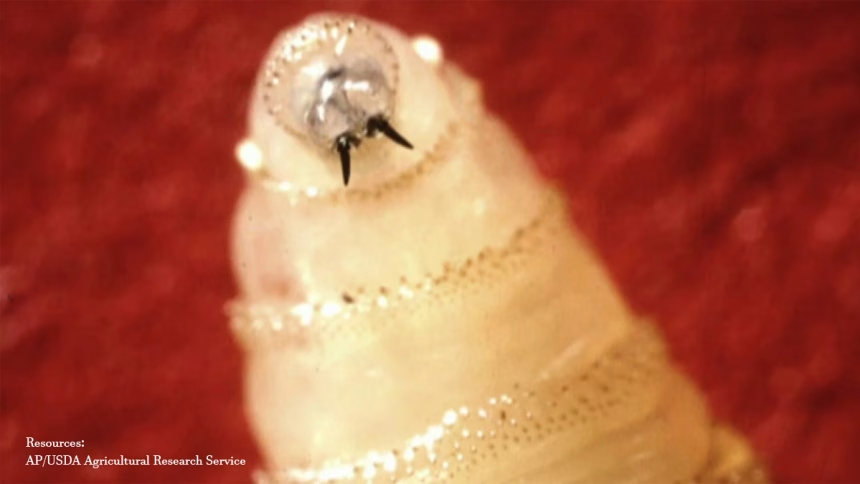

The latest news of the first human case of a flesh-eating screwworm parasite in the United States has understandably caused some concern. While this type of parasitic infection is rare in the US, it’s important to understand the facts about this condition and what it means for public health.
What is the Screwworm Parasite?
The New World screwworm (Cochliomyia hominivorax) is the larva of a fly species found primarily in tropical and subtropical regions of the Americas. Unlike common maggots that feed on dead tissue, screwworm larvae invade living flesh, including that of humans and animals, causing severe tissue damage, secondary infections, and even death if untreated.
Also Read: Why giving kids smartphones before 13 can harm their Mental Health, Global study warns
The flies are attracted to open wounds, mucous membranes (like the nose or ears), or sometimes intact skin. They lay eggs in these areas, and within hours, the larvae hatch and begin burrowing into tissue, feeding on living matter. This results in painful lesions, swelling, and a distinct foul odor.
History and why this matters
The United States once faced screwworm outbreaks and worked to control them aggressively. A landmark public health effort used the sterile insect technique (SIT): releasing large numbers of sterile male flies to mate with wild females, which produced no offspring. Over time, this dramatically reduced and then eliminated screwworms from the U.S. and much of Central America.
Click here to join our WhatsApp channel here
The U.S. was declared free of screwworms in the early 1980s. Since then, the screwworm has persisted in some parts of the Americas, especially in warmer, tropical regions. That means travelers, workers, or animals moving from endemic areas can reintroduce the parasite if wounds are exposed.
A confirmed human case in the U.S. would be considered a rare reintroduction event and would trigger public health tracking and prevention measures.
What are the risks and symptoms of screwworm infections?
While screwworm infections are rare in the US, they can pose serious health risks if not properly identified and treated. The larvae can burrow deeply into the skin, muscle, and even internal organs, causing severe tissue damage, secondary infections, and potentially life-threatening complications.
Common symptoms of a screwworm infection include:
- A small, itchy sore or wound that gradually expands
- Visible movement of the larvae within the wound
- Foul odor from the infected area
- Pain, swelling, and redness around the wound
- Fever, chills, and other signs of systemic infection
Anyone who develops an unexplained, expanding wound should seek immediate medical attention, especially if they have recently traveled to areas where screwworm is known to be present.
How can screwworm infections be prevented and treated?
The best way to prevent screwworm infections is to avoid open wounds, especially while traveling in tropical or subtropical regions. Properly cleaning and covering any cuts or abrasions can help deter flies from laying eggs.
If an infection is suspected, prompt medical treatment is crucial. Doctors will typically prescribe antiparasitic medications to kill the larvae, along with antibiotics to treat any secondary bacterial infections. In severe cases, surgical debridement (removal of damaged tissue) may be necessary.
It’s also important to report any suspected screwworm cases to local health authorities, as this can help track the spread of the parasite and implement public health measures to contain it.
Climate change and global health
The appearance of a screwworm case in the U.S. is a reminder of how interconnected our world is, and how climate shifts are expanding the habitats of tropical diseases. Warmer temperatures allow disease vectors to survive in regions previously considered low-risk.
Public health systems are adapting through enhanced surveillance, public education, and research into emerging pathogens. Travel medicine is also becoming increasingly important.
While the confirmation of a human screwworm case in the U.S. is concerning, it is not a cause for panic. Awareness, prevention, and early treatment are highly effective. Stay informed, take sensible precautions during travel, and consult a healthcare professional if you notice unusual symptoms.
Health authorities continue to monitor the situation closely. For now, this case serves as a timely reminder: in a warming, traveling world, vigilance is our best defense.