

Living longer and living healthier have become central topics of discussion with the growing aging population. According to WHO, the global population aged 60 years and older is increasing fast, from 1 billion in 2019 to a projected 1.4 billion by 2030 and 2.1 billion by 2050, with the fastest rise expected in developing countries.
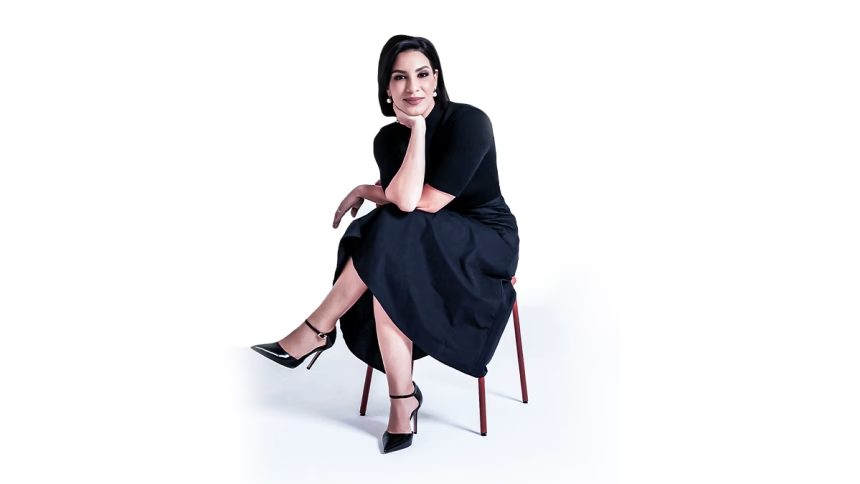
In connection with longevity and lifestyle factors, MedEdge MEA spoke with Dr. Mishkat Shehata, Vice President and Founding Member of ELLMS. Her responses to five important questions offer valuable insights, with the final question revealing the lifestyle principles she follows for healthy living. Want to see her approach in detail? Read the full interview.
MedEdge MEA: Many people associate longevity with genetics, but lifestyle often plays a greater role. From your perspective, what daily habits truly influence how long and how well we live?
Dr Mishkat Shehata: Lifestyle often outweighs genetics in shaping how long and how well we live. Daily habits that optimise metabolic health, reduce inflammation, and promote cellular repair are key. These habits directly influence gene expression and biological ageing. Regular exercise preserves muscle and insulin sensitivity. Restorative sleep regulates hormones and brain health. A nutrient-dense diet rich in plants, protein and healthy fats supports our gut and metabolic health. Managing stress and nurturing social connections protect cardiovascular and cognitive function. Reducing environmental toxin exposure by choosing glass over plastic, filtering water, and minimising harmful household chemicals lowers oxidative stress. Avoiding tobacco & alcohol further extend healthspan.
ME: How does modern healthcare integrate preventive lifestyle measures, like nutrition, sleep, and mental balance, into long-term longevity strategies?
MS: Preventive lifestyle measures are being integrated into care through advanced risk assessment, personalised nutrition, structured sleep optimisation, stress-management programmes, and digital tools that enable continuous monitoring. Clinicians are using biomarkers, wearable data, and behavioural coaching to detect dysfunction early and intervene before chronic disease develops. Multidisciplinary teams including physicians, dietitians, health coaches, psychologists, and exercise specialists now collaborate to address root causes. This shift toward preventive, lifestyle-centred care aims to extend years of healthy function, not simply prolong life.
ME: In your experience, what common lifestyle misconceptions prevent people from achieving healthy aging in today’s fast-paced world?
MS: Lack of motivation is a major barrier, often driven by the belief that healthy aging requires drastic change. Busy schedules reinforce the idea that exercise only counts if lengthy, when short bouts of strength and movement are highly effective. People sacrifice sleep for productivity, despite its essential role in repair and cognition. Convenience encourages processed foods, yet simple, whole-food meals make a significant impact. Stress is normalised, although unmanaged stress accelerates aging. Individuals also underestimate cumulative environmental toxin exposure. These misconceptions discourage consistency. Healthy aging is built on small, repeatable habits that fit modern life and steadily compound over time002E
ME: Can you share how cultural or regional factors in the Middle East shape people’s approach to longevity and overall well-being?
MS: In the Middle East, longevity is shaped by strong family bonds, faith-based traditions, and a rapidly modernising lifestyle. Communal culture supports social connection, a key determinant of healthy aging. Religious practices such as fasting promote metabolic benefits and mindfulness. At the same time, urbanisation, reduced physical activity, and rich traditional foods have contributed to high rates of diabetes and obesity. Governments are effectively responding by prioritising preventive health and longevity through national strategies. Tailoring nutrition, activity, and stress-management guidance to regional customs, climate, and social norms is essential to help people live longer, healthier, and more purposeful lives in the region.
ME: Finally, on a personal level, what simple lifestyle principles or routines do you personally follow to promote lasting health and vitality?
MS: A longevity routine does not need to be complicated, but it must be intentional, personalised, and consistent. I prioritise restorative sleep to support hormonal balance, cognitive performance, and cellular repair. My nutrition focuses on whole, nutrient-dense foods, with targeted protein intake to maintain muscle mass relative to my body weight, since muscle is a crucial biomarker of healthy aging. I hydrate with at least two litres of filtered water daily to optimise metabolic and detoxification pathways.
My training is deliberately varied to build strength, mobility, stamina, and balance. I combine resistance training, Pilates, yoga, HIIT, Zone 2 cardio, functional movement, and mobility work to maintain metabolic flexibility and physical resilience. Red-light therapy and vibration plate sessions complement recovery, circulation, and mitochondrial function. Practices such as sauna therapy, cold exposure, and Wim Hof breathing further support autonomic balance, stress resilience, and improved heart rate variability.
Environmental health plays a major role in my routine. I reduce toxin exposure by using glass over plastic and improving air and water quality through shower filtration, air purification, and a dehumidifier to reduce mold. Wearable data informs decisions on training load, sleep, and recovery, while biomarker testing every six months allows personalised supplementation and adjustments. These consistent lifestyle strategies collectively support long-term vitality and high performance.