


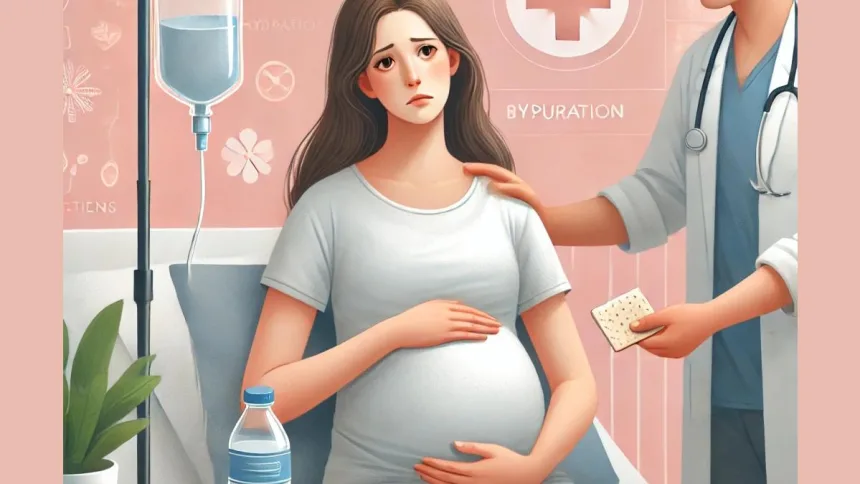

 Pregnancy is often described as a beautiful journey, but for some women, it comes with unexpected challenges. One of those challenges is hyperemesis gravidarum—a condition far worse than typical morning sickness. If you’ve been experiencing extreme nausea and vomiting that affects your daily life, you might be dealing with this serious pregnancy complication.
But don’t worry! In this blog post, we’ll break down everything you need to know about hyperemesis gravidarum: what it is, how to recognize its symptoms, what causes it, and how you can find relief.
What Is Hyperemesis Gravidarum?
Almost every pregnant woman deals with some degree of morning sickness, but hyperemesis gravidarum (HG) is in a league of its own. Unlike regular nausea and occasional vomiting, HG is extreme and persistent. Women with HG may vomit constantly, struggle to keep food and liquids down, and even lose weight.
This condition is more than just a nuisance—it can lead to dehydration, malnutrition, and serious health risks for both the mother and baby. That’s why early recognition and proper treatment are crucial.
Symptoms: How to Tell the Difference Between Normal Morning Sickness and HG
So how do you know if you have hyperemesis gravidarum instead of standard pregnancy-related nausea? Here are some key symptoms to watch for:
- Severe, persistent nausea and vomiting: If you’re throwing up multiple times a day and can’t keep food or drinks down, it might be HG.
- Weight loss: Losing more than 5% of your pre-pregnancy weight could be a sign that your nutrition is compromised.
- Dehydration: Symptoms like dry mouth, dizziness, and dark urine mean your body isn’t getting enough fluids.
- Extreme fatigue and weakness: Feeling drained is normal in pregnancy, but HG can make it much worse.
- Low blood pressure or dizziness: Standing up and feeling lightheaded may indicate dehydration due to excessive vomiting.
If you’re noticing these symptoms, don’t ignore them. Talk to your doctor as soon as possible to prevent complications.
What Causes Hyperemesis Gravidarum?
The exact cause of HG isn’t fully understood, but doctors believe it’s linked to hormonal changes, particularly a surge in human chorionic gonadotropin (hCG)—the pregnancy hormone. Some women’s bodies have a stronger reaction to these hormonal shifts, leading to severe nausea and vomiting.
Other factors that might increase your risk of developing HG include:
- Family history: If your mother or sister had HG, you may be more likely to experience it too.
- Being pregnant with multiple babies: Carrying twins or triplets raises hormone levels, making HG more common.
- History of motion sickness or migraines: Women prone to nausea-related conditions may be at a higher risk.
- Having HG in a previous pregnancy: If you had HG before, there is a higher chance of experiencing it again.
While you can’t always predict whether you’ll get HG, understanding these factors can help you prepare and seek early treatment if symptoms arise.
Treatment Options: How to Manage Hyperemesis Gravidarum
If you have HG, managing your symptoms is essential to protect both your health and your baby’s well-being. Thankfully, there are several treatment options available.
1. Lifestyle and Dietary Changes
Sometimes simple adjustments can help reduce the severity of HG symptoms. Although there’s no guaranteed cure, these small changes may bring some relief:
- Eat small, frequent meals: Avoid an empty stomach by nibbling on snacks like crackers or toast.
- Stay hydrated: Sip on clear fluids or try electrolyte drinks to prevent dehydration.
- Avoid strong smells: Certain odors can trigger nausea, so steer clear of anything that makes you feel worse.
- Get plenty of rest: Fatigue can make symptoms worse, so listen to your body and rest as needed.
2. Medications
For more severe cases, doctors may prescribe medication to help control nausea and vomiting. Some commonly used options include:
- Anti-nausea drugs (such as Diclegis or Zofran): These may help calm your stomach and reduce vomiting.
- Vitamin B6 supplements: Some women find relief with extra B6, often recommended as a safe first-line treatment.
- IV fluids: If dehydration becomes a concern, hospitalization for IV hydration may be necessary.
Talk to your doctor about the best options for your situation, as medication needs vary from person to person.
3. Medical Intervention
In some severe cases, women may require hospitalization for additional support. If weight loss and dehydration are serious concerns, doctors might recommend:
- IV nutrition or feeding tubes: If you can’t keep any food down, intravenous nutrition can help maintain essential nutrients.
- Ongoing monitoring: Frequent checkups ensure that both mom and baby are staying healthy.
While hospitalization isn’t ideal, it can be life-saving for women struggling with extreme HG.
Coping with Hyperemesis Gravidarum: You’re Not Alone
HG can feel isolating, but you’re not alone. Many women experience it, and there are support groups and online communities where you can connect with others going through the same thing.
Here are some ways to make the journey easier:
- Lean on your support system: Don’t be afraid to ask for help from your partner, family, or friends.
- Join an online community: Talking to other moms with HG can provide comfort and practical advice.
- Be kind to yourself: Pregnancy is tough, and dealing with HG makes it even harder. Rest, take it slow, and prioritize your well-being.
When to See a Doctor
If nausea and vomiting are making it impossible to eat, drink, or function normally, don’t wait—seek medical help immediately. Early intervention can prevent serious complications and ensure a healthier pregnancy for you and your baby.
Signs that it’s time to see a doctor include:
- Severe dehydration (little or no urination, dry skin, rapid heartbeat)
- Continuous weight loss
- Vomiting blood or bile
- Dizziness, weakness, or fainting
Getting professional care early can make all the difference in your recovery.
Also Read: How cardiovascular disease affects women: myths, facts, and realities
Final Thoughts
Hyperemesis gravidarum is more than just extreme morning sickness—it’s a serious condition that requires attention and care. If you or someone you know is experiencing severe pregnancy-related nausea and vomiting, don’t brush it off. Seek medical advice, explore various treatment options, and most importantly, remember that support is available.
Pregnancy should be an exciting time, and while HG can make things more challenging, proper treatment and self-care can help you through it. You are strong, and with the right resources, you can get through this difficult phase and look forward to the joy of meeting your little one.
Have you or someone you know experienced hyperemesis gravidarum? Share your thoughts in the comments below! Let’s support each other through this journey. 💙