



Cleveland Clinic Abu Dhabi has highlighted its personalised approach to complex plasma cell disorders through the treatment of two patients with high-risk multiple myeloma and the rare POEMS syndrome.
The cases demonstrate the importance of accurate diagnosis, specialist expertise and individualised treatment planning for patients whose conditions may not respond to standard approaches or present with symptoms that are difficult to interpret.
Monia, a 53-year-old Tunisian teacher, was diagnosed with multiple myeloma in 2018. Despite undergoing several treatments, including an autologous stem cell transplant, chemotherapy, radiation therapy and newer antibody-based therapies, her high-risk disease continued to progress.
Click here to join our WhatsApp channel here
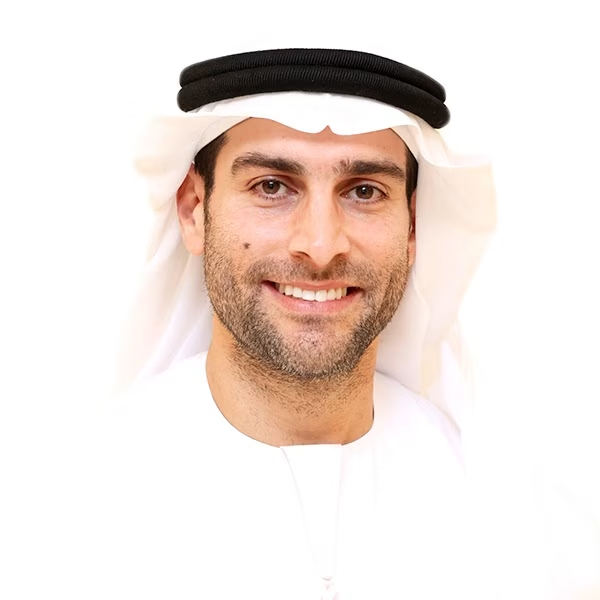
After reviewing her medical history and disease profile, Dr Ajlan Al Zaki, Staff Physician in Haematology and Blood Cancer at the hospital’s Cancer Institute, identified previously unused established medicines as potential treatment options. Subsequent assessments showed a reduction in the size of myeloma-associated masses and improvements in her clinical results.
The second patient, Amir, a 42-year-old Pakistani resident of Sharjah, experienced stiffness and numbness in his feet before being diagnosed with POEMS syndrome, a rare plasma cell disorder that can affect multiple body systems. Specialist assessment helped identify the condition and guide treatment.
Also read: Abu Dhabi Activates Global Phase 3 Clinical Trials Across Four Therapeutic Areas
“Plasma cell disorders can behave very differently from one patient to another, which means there is no single approach that works for everyone,” says Dr. Ajlan Al Zaki, Staff Physician, Hematology & Blood Cancer, Cancer Institute at Cleveland Clinic Abu Dhabi. “We have to understand the biology of the disease, look closely at the patient’s complete clinical picture, and determine the most appropriate strategy for that individual.”
The cases underscore the role of specialist-led, personalised care in managing difficult-to-treat cancers and rare disorders, where timely diagnosis and carefully selected treatment strategies can help guide patient care.


