


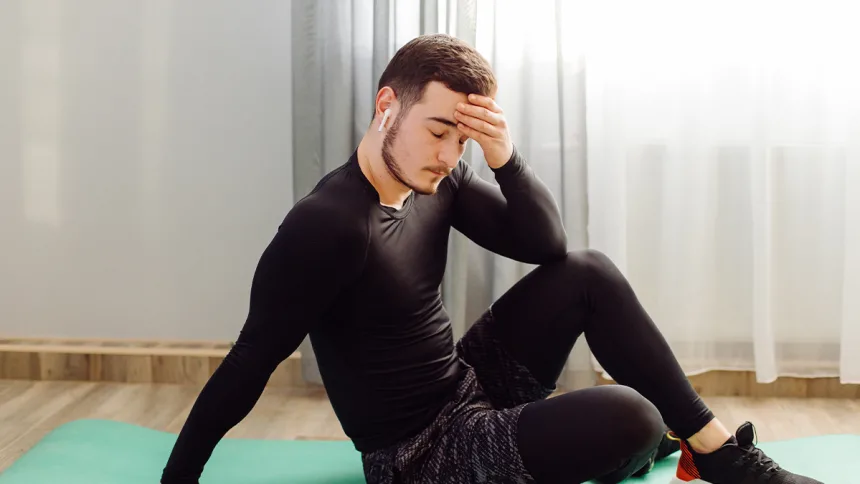
According to studies, up to 70% of athletes suffer from performance problems brought on, especially by overtraining and stress because of pressure from competition, high expectations, and anxiety. Due to this athletes tend to underperform. Keeping these circumstances in mind light has been shed on “Overtraining Syndrome” with a lifetime prevalence of roughly 60% for top athletes and 30% for non-elite endurance competitors, though its true worldwide incidence and prevalence are yet to be determined.
What is overtraining syndrome?
When one works out too frequently or intensively for an extended period, the body begins to suffer from overtraining syndrome (OTS). Athletes are typically impacted, particularly those who train competitively.
When a fitness enthusiast or athlete trains too much without getting enough sleep, which impairs performance and general health. It is a condition where the body’s recuperation systems are unable to meet the demands placed on them, which frequently results in prolonged fatigue, decreased performance, and a variety of physical and psychological symptoms. It goes beyond simply feeling sore or exhausted.
What are the stages of overtraining syndrome?
Overtraining syndrome can broadly be classified into three stages:
- Functional overtraining (Stage 1 overtraining syndrome) – OTS, is characterized by modest symptoms that are sometimes difficult to identify or distinguish from the typical post-training aches and pains. Your body is alerting you when it isn’t adequately recuperating from activity bursts.
- Sympathetic overtraining syndrome (Stage 2 overtraining syndrome) – The sympathetic nerve system, which regulates your body’s “fight-or-flight” reaction to stress, is impacted by symptoms of stage 2 OTS. Stage 2 OTS is sometimes referred to as Basedow’s overtraining syndrome by healthcare professionals.
- Parasympathetic overtraining syndrome (Stage 3 overtraining syndrome) – Your parasympathetic nervous system, which calms your body’s systems, is affected by stage 3 OTS. OTS in stage three is typically the most severe and requires the longest recovery time. Some medical professionals refer to it as Addison’s overtraining syndrome.
Not all cases of overtraining syndrome progress over time. This implies that not all people with OTS begin at stage 1, progress to stage 2, and ultimately to stage 3. Depending on where your symptoms are and how OTS impacts you, you can be in any stage without the others.
When one works out too frequently or intensively for an extended period, the body begins to suffer from overtraining syndrome (OTS). Athletes are typically impacted, particularly those who train competitively
Also Read: How Much Walking Is Too Much?
What are the symptoms of overtraining syndrome?
OTS symptoms can differ greatly and are often divided into two groups psychological and physical.
- Physical symptoms
- Chronic weariness or fatigue.
- Elevated blood pressure and resting heart rate.
- Regular injuries or illnesses.
- Soreness in the muscles that doesn’t go away with rest.
- Decreased athletic ability.
- Psychological symptoms
- Mood swings (such as depression, anxiety, or impatience).
- Absence of enthusiasm or enjoyment throughout training.
- Inability to focus or fall asleep.
- An elevated sense of exertion during exercise.
Causes of overtraining syndrome
The causes of Overtraining Syndrome are:
- Excessive Training Load – Training excessively, too often, or too intensely without getting enough sleep.
- Insufficient Recovery – Accumulated exhaustion brought on by a shortage of rest days or poor sleep quality.
- High Stress Lifestyle – Stress from physical exercise combined with stress from life (family, job, etc.) can overwhelm the body.
- Poor Nutrition – Not consuming enough nutrients or calories to support and heal the body.
Diagnosis and Treatment of OTS
OTS can be difficult to diagnose since its symptoms might be confused with those of other illnesses, like burnout or chronic fatigue syndrome. Usually, the diagnosis entails evaluating training load, lifestyle, and mental health in addition to ruling out other explanations. Treatment strategies are as follows:
- Rest and Recovery – A prolonged period of no training, ranging from a few weeks to many months, depending on the intensity.
- Gradual Return – Athletes should gradually resume training after symptoms have subsided, concentrating on low-intensity activities.
- Sleep and Nutrition – Enhancing the quality of sleep and making sure you’re getting enough food, particularly protein and carbs, can aid in healing.
- Stress and Management – Recovery can be aided by stress management and training methods such as yoga, meditation, or therapy.
Prevention and Monitoring of OTS
- Structured Training Programs – Incorporate periodized training (increasing intensity over time) and rest days.
- Listen to your Body – If you’re feeling too exhausted or unmotivated, modify your training.
- Balanced Nutrition and Hydration – Making sure you’re getting enough nutrition before, during, and after exercise.
- Mental Health Care – Routine assessments of mental health since mental stress can make physical stress worse.
Early indicators of overtraining can be found with the use of technologies such as heart rate variability (HRV), mood and sleep quality tracking, and subjective well-being questionnaires. This enables athletes to make necessary modifications before OTS fully manifests. In general, preventing Overtraining Syndrome and attaining long-term performance and health depend on comprehending and honouring the equilibrium between stress and recuperation.