


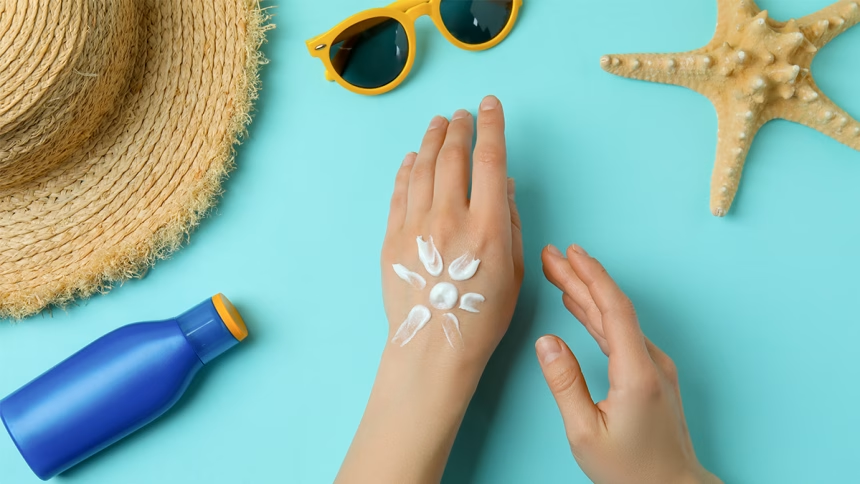

Summer brings longer days, outdoor activities and lots of sunshine. While sunlight helps out bodies produce vitamin D, excessive exposure to the sun’s Ultraviolet (UV) rays can cause sunburn, premature aging, skin damage, and other harmful effects. To prevent themselves from these risks, many people use sunscreen which is considered one of the most effective forms of sun protection. Despite its popularity, there are several benefits, myths and recommended practices associated with sunscreen that people should be aware of. Let us explore the benefits, myths and understand the best ways to use it effectively.
Why sunscreen matters?
Protects against sunburn
Sunscreen protects against sunburn by using active ingredients that either absorb or reflect/scatter the harmful UV rays away from your skin before it damages your skin.
Prevents pre mature aging
Sunscreen helps prevent pre mature aging by blocking UV rays which penetrates deep into the skin and cause wrinkles, fine lines, and long term damage.
Reduces the risk of skin cancer
Long term exposure to UV rays increases the risk of cancer. Hence dermatologists recommend daily sunscreen use as an important preventive measure by acting as a protective barrier against the sun’s UV rays.
Prevents uneven skin tone
Sunscreen helps maintain an uneven skin tone by protecting the skin from UV rays, which can increase melanin production and cause dark spot, pigmentation, and uneven patches.
Suitable for all skin types
Sunscreen is beneficial for all skin types including sensitive, oily, and acne- prone skin. It helps preventing sunburn, premature aging, and skin damage. Choosing the right formulation for your skin type ensures effective protection without irritation
Click here to join our WhatsApp channel here
Common myths about sunscreen
Myth 1: Only fair skinned people need sunscreen
People of all skin tones need sunscreen. While fair skin may burn quickly, darker skin is also vulnerable to sun damage, pre mature aging and skin cancer.
Myth 2: Higher SPF means complete protection.
SPF (Sun Protection Factor) primarily measures protection against UVB rays. No sunscreen provides 100% protection. SPF 30 or higher is generally recommended for daily use.
Myth 3: sunscreen is needed oy on sunny days.This is a common misconception. Sunscreen should be used daily, as 80% of the harmful UV rays can reach the skin even on cloudy days.
Myth 4: One application lasts all day.
Dermatologists universally recommend applying sunscreen every two hours as sweat, oil and daily activities can reduce its effectiveness over time.
Also read: UAE Approves New Oral Breast Cancer Treatment for Hormone-Resistant Cases
Using sunscreen, the right way
* Choose a broad-spectrum sunscreen that protects against both UVA and UVB rays.
* Use SPF 30 or higher for adequate protection.
* Apply sunscreen 15–20 minutes before going outdoors.
* Reapply every two hours especially after swimming or excessive sweating.
* Cover all exposed areas, including the ears, neck, hands, and feet.
* Wear protective clothing, sunglasses, and hats along with sunscreen.
* Avoid direct sunlight during peak hours, usually between 10 a.m. and 4 p.m.
As summer temperature rise and outdoor activities become more frequent, protecting our skin should be a priority. Sunscreen is an essential tool for protecting the skin from harmful UV rays. By understanding it’s benefits, clearing up common myths, and following proper usage practices, we can reduce the risk of skin damage and maintain healthier skin. Making sunscreen a daily habit can go a long way in ensuring long term skin health and well being.