


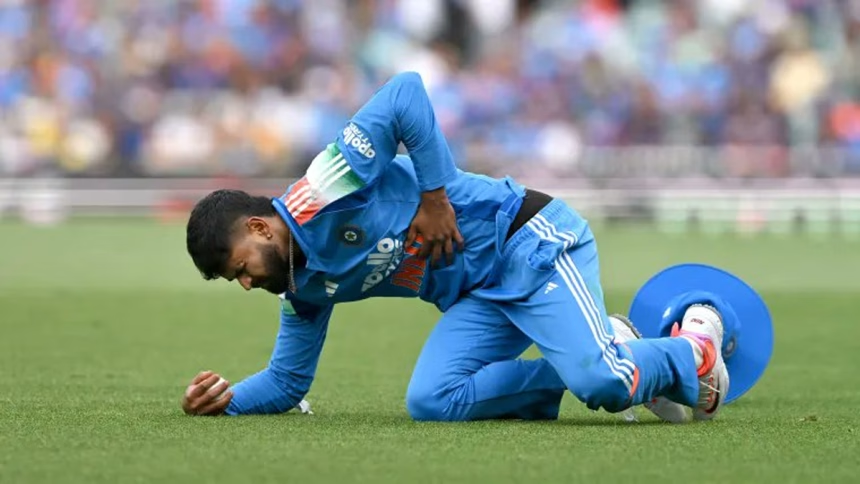
Indian cricketer Shreyas Iyer’s recent on-field injury during the third ODI against Australia in Sydney has brought attention to the risks of rib cage injuries in sports. On October 25, 2025, Iyer sustained a blunt impact to his left lower rib cage while attempting a diving catch. Medical scans revealed an injury to the spleen with internal bleeding, requiring immediate hospitalization and intensive care. The BCCI confirmed that the bleeding was promptly controlled, and Iyer is now medically stable and recovering well under close monitoring.
Also Read: Why Are Heart Attacks Increasing Among Young Adults?
What is a rib cage injury?
A rib cage injury involves damage to one or more of the 12 pairs of ribs that form a protective cage around vital organs including the heart and lungs. The rib cage provides crucial structural support and protection, making injuries in this area particularly concerning for athletes.
What causes a rib cage injury?
Rib cage injuries are commonly caused by:
1. Blunt force trauma
- Falls, collisions, or direct impacts during sports or accidents.
- In Shreyas Iyer’s case, the injury occurred due to a hard landing on his left side.
2. Repetitive strain or overuse
- Common in athletes performing repetitive torso movements.
3. Penetrating injuries
- Less common but can occur in accidents or violent incidents.
4. Underlying medical conditions
- Osteoporosis or bone weakness can increase fracture risk.
Symptoms of rib cage injury
Symptoms of a rib cage injury can vary but often appear suddenly or worsen over time. Key signs include:
- Sharp pain when breathing, coughing, or moving the upper body.
- Swelling or tenderness around the affected area.
- Difficulty with deep breaths or general discomfort, which could impact an athlete’s performance.
Treatment options for a rib cage injury
Always consult a healthcare professional for an accurate diagnosis and personalized treatment plan for a rib cage injury. Standard treatment focuses on pain management and promoting healing. This begins with rest and avoiding activities that cause pain. Applying ice and using anti-inflammatory medication help control swelling and discomfort. A critical part of care involves deep-breathing exercises to maintain lung health. As recovery progresses, a structured physiotherapy program is essential to restore flexibility and core strength, ensuring a safe return to full activity. While most injuries heal with conservative care, severe cases may require further medical intervention.
Click here to join our WhatsApp channel here
How to prevent rib cage injuries
While not all injuries are preventable, athletes can take proactive steps to minimize risk.
- Proper protective gear: Using high-quality, well-fitted chest guards.
- Core strengthening: A consistent fitness regimen focused on building strong abdominal, oblique, and back muscles to better support the rib cage.
- Adequate warm-up: A thorough dynamic warm-up before play to prepare the muscles and joints for intense activity.
- Listening to the body: Addressing minor niggles and muscle tightness early with rest and treatment before they develop into more significant injuries.