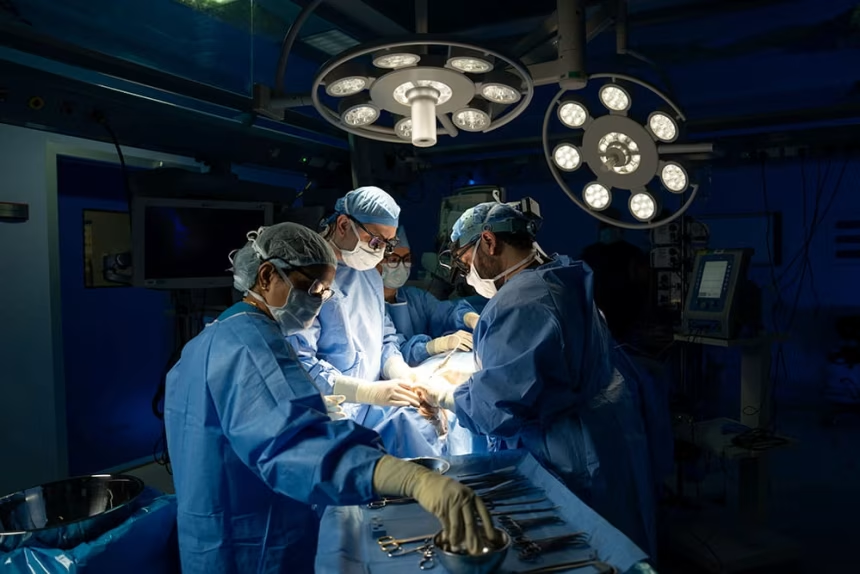

Sheikh Sultan bin Zayed Hospital in Sharjah, part of M42‘s global healthcare network, has successfully performed the first hypoglossal nerve stimulation (HNS) implant for obstructive sleep apnea (OSA) in the Northern Emirates. The procedure marks a significant advancement in access to specialised sleep disorder treatments across the UAE.
The surgery was performed by Dr Eyad Shitawi, Consultant ENT Surgeon, on a 44-year-old Emirati patient who had experienced obstructive sleep apnea for more than five years. Lasting approximately two hours, the procedure was completed successfully, with the patient discharged on the same day in a stable condition.
Click here to join our WhatsApp channel here
Dr. Eyad Shitawi, Consultant ENT Surgeon, said: “The introduction of hypoglossal nerve stimulation represents a significant advancement in the treatment of obstructive sleep apnea, particularly for patients who are unable to tolerate CPAP therapy. This innovative technology helps restore natural breathing during sleep, improves patients’ quality of life, and reduces the health complications associated with this condition.”
Also read: Abu Dhabi Introduces AI Physician Assistant to Enhance Clinical Workflows
Dr. Imran Aslam, Medical Director at Sheikh Sultan bin Zayed Hospital, added: “We are proud to perform the first procedure of its kind in the Northern Emirates, reflecting Sheikh Sultan bin Zayed Hospital’s commitment to adopting the latest medical innovations. This achievement forms part of our ongoing efforts to provide advanced treatment technologies and attract highly specialized medical expertise, ensuring our patients receive the highest standards of care within the UAE.”
Hypoglossal nerve stimulation is an advanced treatment option for selected patients who cannot tolerate conventional Continuous Positive Airway Pressure (CPAP) therapy. The implanted device delivers gentle electrical stimulation to the hypoglossal nerve during sleep, helping prevent the tongue from obstructing the airway and supporting uninterrupted breathing.
Obstructive sleep apnea causes repeated interruptions in breathing during sleep and can increase the risk of hypertension, cardiovascular disease, stroke and diabetes if left untreated. The HNS procedure offers an alternative approach to managing the condition and improving patients’ sleep quality and overall wellbeing.