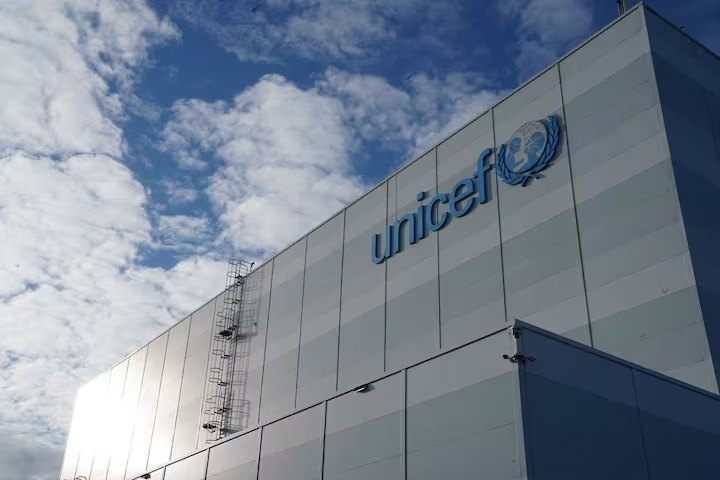

UNICEF and Gavi The Vaccine Alliance, have secured an agreement to reduce the price of the RTS,S/AS01 malaria vaccine by approximately 40%, generating an estimated US$50 million in savings for childhood immunisation programmes between 2027 and 2029.
The agreement will bring the vaccine price down to €5.50 per dose, with the reduction expected to take effect by early 2027. The deal is supported by an advance payment from the International Finance Facility for Immunisation (IFFIm) and remains subject to regulatory and manufacturing milestones, including World Health Organization prequalification of a new manufacturing facility.
The expected savings could help protect up to one million additional children with the full four-dose vaccination course or enable countries to expand access to other vaccines. The agreement also aims to strengthen the sustainability of the malaria vaccine market by supporting greater manufacturing capacity and reliable supply.
Click here to join our WhatsApp channel here
“This agreement is an important step towards protecting more children from malaria by expanding access to life-saving vaccines where they are needed most,” said Leila Pakkala, Director of UNICEF Supply Division. “At the same time, it sends a strong signal in support of continued innovation, helping to advance the development of next-generation vaccines that can further reduce the burden of malaria for future generations.”
“Today’s announcement is a powerful example of what the Vaccine Alliance does best: bringing together financing, technical expertise and strategic partnerships to shape healthier vaccine markets and expand access for the children who need vaccines most,” said An Vermeersch, Gavi’s Chief Vaccine Programmes & Markets Officer.
“Impact is at the heart of IFFIm’s mission. As we mark twenty years of helping expand access to life-saving vaccines, this transaction demonstrates the continued relevance of IFFIm’s model,” said Georgina Baker, IFFIm Board chair. “We were created to accelerate vaccine access, increase availability, and help lower costs so that more children can be protected sooner. By helping secure lower prices for RTS, S/ AS01 malaria vaccines, and working alongside Gavi and UNICEF, we can maximise our collective impact and help ensure that more children are protected from malaria.”
Also read: Partnership to Expand AI-Driven Healthcare Access Across the Global South
Since the rollout began in 2024, UNICEF has procured and delivered more than 74 million malaria vaccine doses. The Gavi-funded programme has become part of routine immunisation in 25 African countries that account for more than 70% of the global malaria burden.
Malaria remains a major global health threat, particularly for children under five. In 2024, the disease caused an estimated 282 million cases and 610,000 deaths worldwide.
The agreement supports efforts to expand affordable vaccine access and contributes to Gavi’s target of vaccinating an additional 50 million children against malaria by 2030. Vaccination remains one component of malaria prevention, alongside mosquito control, preventive medicines, prompt diagnosis and treatment.