



What if the biggest threat to your lungs wasn’t outside, but hidden in the water flowing through your building?
Legionnaires’ disease is a serious form of pneumonia caused by bacteria that can lurk in cooling towers, showers, hot tubs, and plumbing systems. But the danger isn’t in drinking the water, it’s in breathing it. Tiny water droplets contaminated with Legionella bacteria can cause Legionnaires’ disease, a severe lung infection that can become life-threatening.
Legionella bacteria are naturally found in freshwater environments such as lakes, rivers and streams, where they usually exist in low numbers and rarely cause disease. When this water enters man-made systems such as cooling towers, hot tubs, plumbing networks, and large building water tanks, where warm temperatures and stagnant water allow them to multiply rapidly, the real problem arises. When the contaminated water is dispersed into the air as fine mist or droplets, people inhale the bacteria, leading to Legionnaires’ disease.
Who is most at risk?
Not everyone who is exposed to Legionella bacteria gets sick. Most healthy people who inhale the bacteria are not at risk. However, certain groups are at much higher risk of infection and severe illness:
- Adults aged 50 years or older
- Smokers and former smokers
- People with chronic lung diseases
- Individuals with a weakened immune system
- People with chronic conditions such as diabetes, kidney disease, and cancer
Hospitals and nursing homes are particularly vulnerable settings, since they house large numbers of high-risk patients in close proximity, making outbreaks harder to contain.
Symptoms
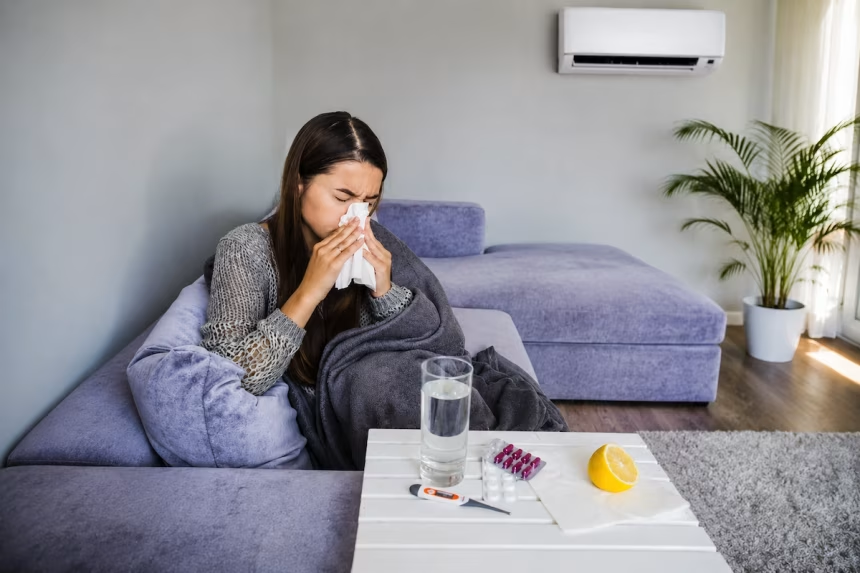
Symptoms appear within two to ten days after contact with Legionella bacteria. The disease begins with the following symptoms:
- Headache
- Muscle aches
- Fever
- Cough, which might bring up mucus and blood
- Shortness of breath
- Chest pain
- Vomiting and diarrhoea
- Confusion
Complications
Legionnaires’ disease can lead to serious complications such as:
- Lung failure
- Septic shock
- Acute kidney failure
These complications can lead to death if not treated promptly.
Click here to join our WhatsApp channel here
Is there a vaccine?
There is no vaccine currently available for Legionnaires’ disease. The best way to reduce the risk is by properly maintaining water systems, including cooling towers, plumbing networks, hot tubs, and decorative fountains, to prevent the growth and spread of Legionella bacteria.
Treatment
Legionnaires’ disease can be treated with antibiotics, but early diagnosis is essential for successful recovery. Mild cases may be treated at home, while severe infections often require hospitalisation, where patients may receive intravenous antibiotics, oxygen therapy, or other supportive care. Prompt treatment significantly lowers the risk of serious complications and death.
Also read: Gulf’s First Next-Generation Heart Imaging Technology Introduced for Advanced Cardiac Care
Prevention
Since there is no vaccine for Legionnaires’ disease, prevention focuses on controlling the growth and spread of the bacteria:
- Regularly clean and disinfect water systems
- Maintain cooling towers, hot tubs, and plumbing systems properly
- Prevent water from becoming stagnant
- Implement Water Safety Plans by maintaining water temperatures outside the 25–45°C (77–113°F) growth range of Legionella and ensuring adequate disinfection of water systems
- Implement water management plans in hospitals, hotels, and other large buildings
- Seek medical attention promptly if symptoms develop after possible exposure
Legionnaires’ disease isn’t a distant threat, it’s a real risk hiding in plain sight, particularly in a climate like the UAE’s, where cooling towers, chillers, and extensive AC systems create ideal conditions for Legionella bacteria to thrive. The good news is that most cases are preventable. Regular maintenance of water systems, proper disinfection of cooling towers, and awareness of warning signs can go a long way towards keeping households and workplaces safe.
If you’ve recently used a hot tub, stayed in a hotel, or noticed unusual respiratory symptoms after travel, consult a doctor promptly and mention your potential exposure.