

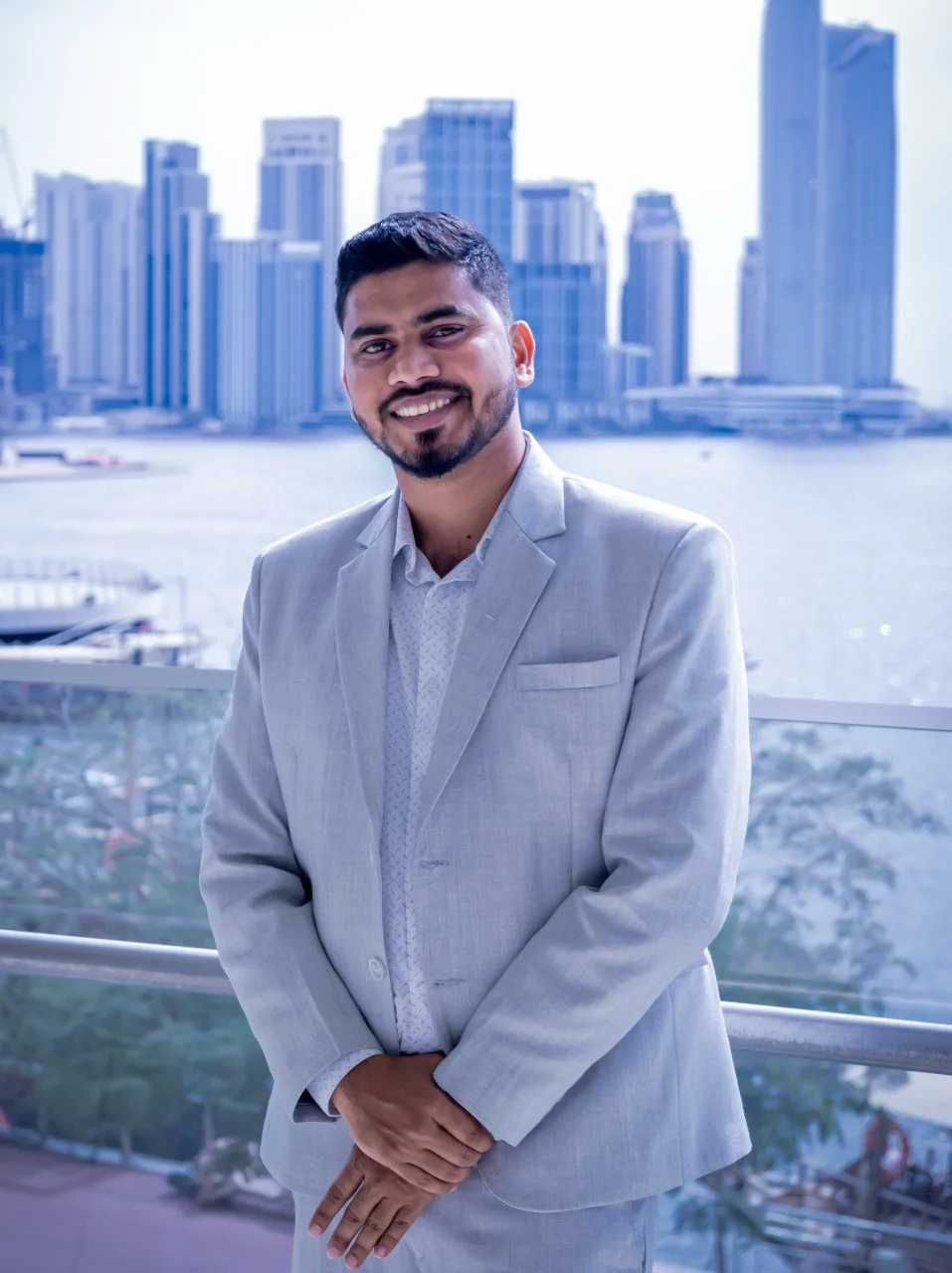

In a bid to advance health literacy and self-care access across the UAE, Haleon convened a high-level panel discussion in Abu Dhabi to launch its Health Inclusivity Index in collaboration with Economist Impact under the theme “From Awareness to Action: Building Healthier Communities Through Self-Care and Literacy.”
The Health Inclusivity Index benchmarks 40 countries across 58 indicators and is built around health and society, inclusive health systems, and people and community empowerment.
The launch drew participation from healthcare leaders, policy experts, and regional stakeholders focused on making healthcare systems more inclusive, equitable, and data-driven.
The event opened with remarks by Her Excellency Dr. Omniyat Al Hajeri, MPH, M.Sc., MA, DrPH, FRCPI, Executive Director of Community Health Sector, Abu Dhabi Public Health Centre, followed by a special address from Bradley Jones, Executive Director of the Joint Secretariat of the UAE–UK Business Council, who highlighted the Council’s role in fostering bilateral collaboration in healthcare and beyond.
Arda Arat, General Manager, GNE, Haleon, emphasized that the Index aligns with the company’s core purpose: everyday better health with humanity. He said improving health literacy must be central to any self-care agenda, particularly in diverse countries like the UAE.
“The real challenge is turning awareness into action,” Arat said. “When people understand their health, they’re better equipped to shape their own outcomes. That’s what health literacy does. It puts power in people’s hands.”
“The UAE is a benchmark, but across the Middle East, there’s a bigger job to be done. This Index gives us the data to guide our next steps.”
Also Read: Haleon recognised among global sustainability leaders
Gerard Dunleavy, Senior Consultant at Economist Impact, Health Policy, contributed to the Index’s economic analysis and design. With a background in public health and epidemiology, he noted that the Index isn’t just a ranking tool but a dynamic platform for policy guidance and program development.
“Our goal was to create a framework that reflects global diversity across income levels, healthcare maturity, and population needs,” Dunleavy explained. “UAE stood out on digital health, especially in areas like electronic medical records and telehealth. These strengths directly contributed to its top-tier ranking.”
He added that the Index also quantifies the cost of low health literacy, offering policymakers a clear picture of both the health and economic implications. “The insights are interactive and actionable,” he said. “This is about enabling countries to move from research to results.”
Paul Downey, General Manager of Abu Dhabi Biobank, reinforced the importance of bridging research with real-world impact. He said that while genetic data forms a baseline, factors like environment, lifestyle, and socio-economic conditions, what researchers call the exposome, are critical to understanding health outcomes.
“Many chronic diseases in this region are linked to lifestyle, not just biology,” Downey said. “But data alone doesn’t change behavior. It has to be translated into campaigns that people relate to.”
Click here to join our WhatsApp channel here
Downey also highlighted the Biobank’s efforts to avoid self-selection bias by actively engaging underrepresented groups. “We’re using community leaders and targeted outreach to bring more diverse voices into health research. Inclusion starts at the research level,” he said.
The launch of the Health Inclusivity Index signals a strategic shift in how health systems are evaluated, not just by infrastructure, but by how accessible and empowering they are for every individual.
As Arat summed up, “This Index is not the finish line. It’s the starting point of a much-needed journey toward inclusive, sustainable health.”


