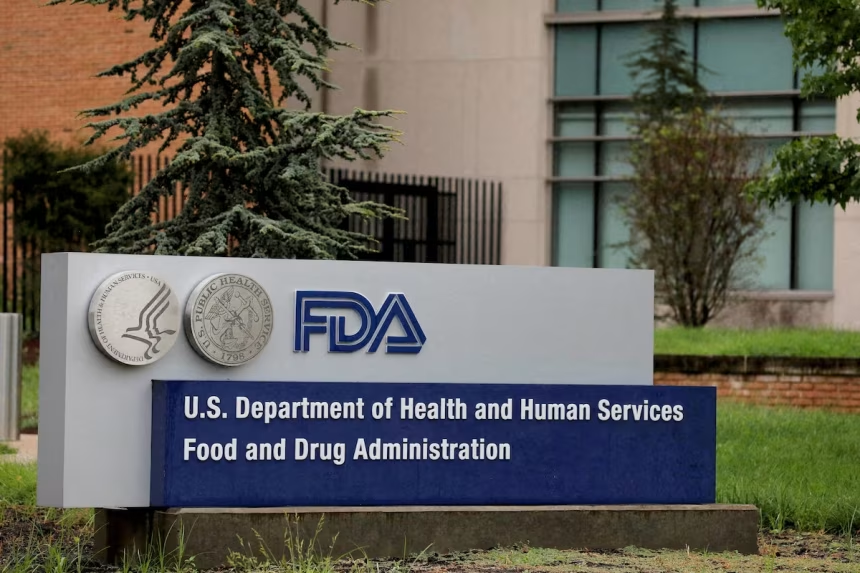

The US Food and Drug Administration (FDA) has proposed new nutrient limits and labelling requirements for infant formula as part of its ongoing review of nutritional standards. Announced on 29 October 2026, the proposed changes aim to update requirements for key nutrients and strengthen oversight of infant formula products.
If finalised, the rule would amend the required limits for iodine, vitamin A, vitamin D and manganese, while establishing a maximum permitted level for manganese. It would also revise how vitamins A and D are measured, allow an additional source of vitamin A and update labelling requirements. Following its assessment of chloride, selenium, potassium and sodium, the FDA concluded that their existing required levels remain appropriate.
Also read: UAE Joins Gulf Campaign to Prevent Youth Vaping
The proposal forms part of the FDA’s broader Operation Stork Speed initiative, launched in 2025 to review infant formula nutrients, increase testing for heavy metals and other contaminants, and encourage the development of new products. The agency has also urged manufacturers and supply-chain partners to strengthen supplier oversight following product recalls and recent infant botulism cases.
The FDA plans to propose further rules covering the remaining nutrient specifications before issuing a final rule incorporating all changes. It will also conduct an external peer review of the scientific information used in developing the final requirements. The proposed changes are estimated to cost infant formula manufacturers between US$8.4 million and US$31.7 million annually, with a primary estimate of US$17.6 million.