


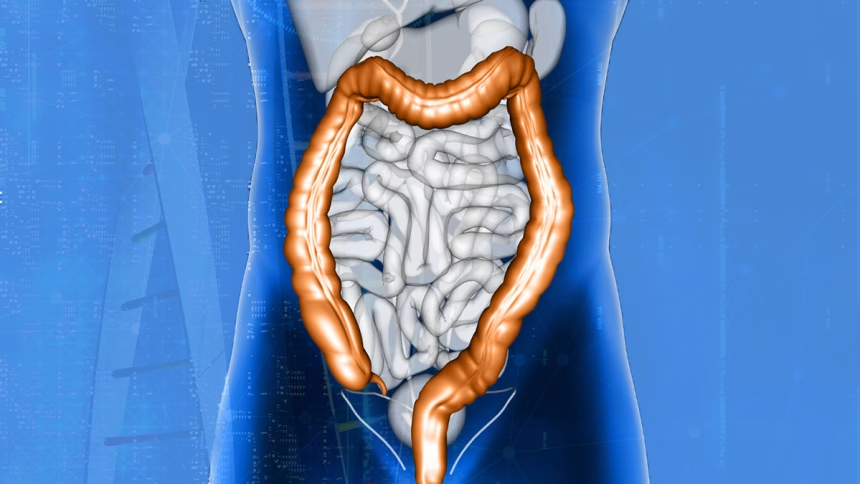
Ten years ago, inflammatory bowel disease (IBD) was almost unheard of in the UAE. Today, it is thirteen times more common. The scale of this rise has caught many by surprise. Once considered a Western illness, IBD – comprising Crohn’s disease and ulcerative colitis, is now a familiar diagnosis across Dubai and Abu Dhabi.
Also Read: Always a Student of Medicine and Forever a Lifelong Learner
Recently, a 20-year-old Emirati man came to my clinic as an urgent patient with abdominal pain and fatigue. Tests confirmed new-onset Crohn’s disease. He was already facing decisions between powerful biologic medicines and possible surgery. It was clear that things had moved quickly, and neither he nor his parents had yet absorbed it all.
A new pattern emerging
According to the (UAE Epi-IBD Study, Dr Nabil Quraishi et al. New study: IBD 13 x up –), the number of people diagnosed with IBD in the Emirates has risen thirteen-fold since the early 2000s, one of the sharpest increases ever recorded.
This is not a genetic shift. It reflects how rapidly lifestyles have changed, more processed food, less fibre, reduced sunlight, and longer hours under constant stress. Within a single generation, the UAE’s way of living and eating has transformed, and the gut is bearing that cost.
What’s driving the rise
IBD begins when the immune system mistakenly attacks the lining of the intestine. Genes create a background risk, but environment determines whether inflammation actually starts.
Several modern habits are now recognised as contributors:
- Ultra-processed foods – common additives and emulsifiers disturb the gut’s natural balance and can trigger inflammation.
- Low-fibre diets – fewer fruits, vegetables, and grains reduce protective gut bacteria.
- Vitamin D deficiency – widespread due to indoor living and sun avoidance.
- Smoking – doubles the risk of Crohn’s disease and worsens its course.
- Antibiotic overuse – repeated or early exposure disrupts gut bacteria for months.
- Stress and poor sleep – upset the gut–brain axis and increase inflammatory responses.
Together, these factors reshape the gut environment and make inflammation more likely to persist once triggered.
Ways to reduce risk
While we cannot yet prevent IBD entirely, we can reduce the risk by supporting the gut’s natural defences. Small daily choices can make a measurable difference.
Click here to join our WhatsApp channel here
These same principles not only lower the chance of developing IBD but also help those already living with the condition.
1. Eat more natural food
Base meals on vegetables, fruits, lentils, beans, nuts, whole grains, fish, and yoghurt or laban. These nourish the friendly microbes that keep the gut lining healthy.
2. Limit ultra-processed options
Fast foods, packaged snacks, and sweetened drinks contain additives that harm gut bacteria and weaken its barrier.
3. Maintain vitamin D levels
Short, safe sunlight exposure or guided supplementation—helps regulate immunity.
4. Keep moving
Regular physical activity improves digestion and reduces inflammatory signals.
5. Use antibiotics only when needed
Take them when prescribed, and afterwards restore gut balance through a varied, fibre-rich diet.
6. Quit smoking
Still the single most powerful modifiable risk for Crohn’s disease.
7. Protect sleep and manage stress
A stable routine supports the gut–brain connection and reduces inflammation.
What is next?
If this trend continues unchecked, inflammatory bowel disease could soon become one of the region’s major chronic health burdens. Many of those affected are young, and I see the consequences every week in my clinic.
At the same time, there is genuine progress. Modern biologic and targeted treatments have transformed outcomes, allowing most patients to lead full and active lives. As a Consultant Gastroenterologist, my work focuses on early diagnosis, advanced therapy, and long-term support for people living with Crohn’s disease and ulcerative colitis.
IBD may not be fully preventable, but our forefathers understood balance long before we called it wellness. Dates, fish, legumes, and sunlight built stronger generations. Maybe prevention begins not in something new, but in remembering what once worked.

Consultant Gastroenterologist at Mubadala Health Dubai