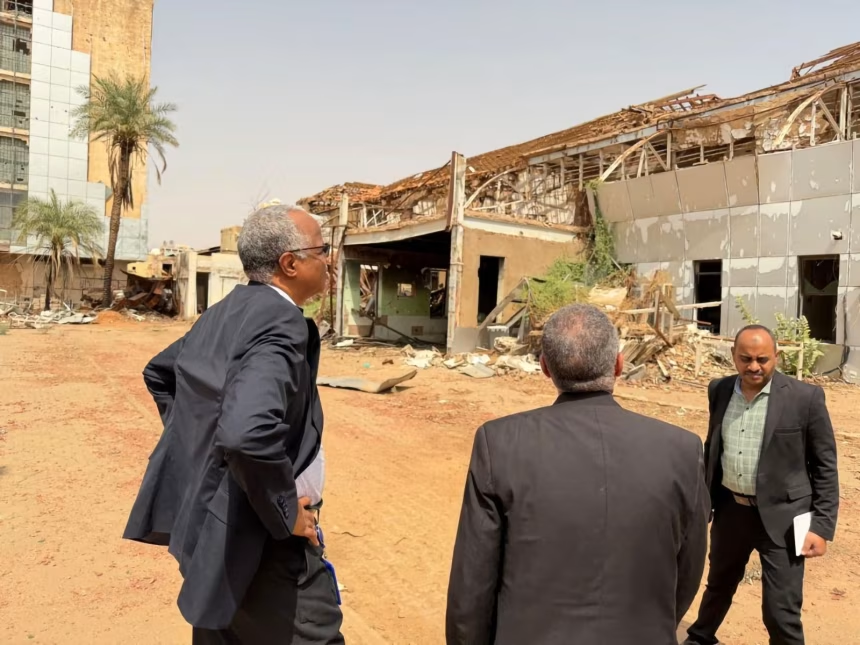

The World Health Organization (WHO) Representative in Sudan, Dr Abdinasir Abubakar, visited three major referral and teaching hospitals in Khartoum State to assess conflict-related damage and discuss plans to restore essential health services.
The September 6 visit to Khartoum Teaching Hospital, the Ophthalmology Hospital and the Dental Hospital was conducted alongside Dr Mohamoud Al Badri, Director General of the Khartoum State Ministry of Health and Acting Minister of Health. The delegation reviewed the condition of the facilities and identified priorities for rehabilitation.
Also read: Kidney Patients Push for Policy Changes During Congressional Recess
All three hospitals have sustained extensive damage, including destroyed operating theatres, damaged or lost medical equipment, collapsed wards and departments that remain out of service. Structural repairs are needed before many areas can safely reopen. Despite the damage, healthcare workers continue treating patients in functioning sections of the hospitals. Medical and administrative teams also outlined the resources required to restore departments and resume specialised services.
The Khartoum State Ministry of Health has begun rehabilitation work, while WHO and health partners are expected to support efforts to mobilise additional resources. Restoration will require repairs to buildings, replacement of equipment and rehabilitation of water, electricity and waste-management systems, alongside support for the health workforce.
Click here to join our WhatsApp channel here
“The damage to these hospitals is immense, and restoring them will take the combined effort of the state and federal health authorities, WHO and other health partners,” said WHO Representative in Sudan Dr Abdinasir Abubakar. “What gives that effort a solid foundation is the commitment of the staff who we met today and who are ready to return to work as soon as they have a workable environment and the equipment to work in it.”
The condition of the three hospitals reflects wider challenges facing Sudan’s health system after more than three years of conflict, with damage, looting and workforce losses forcing facilities across the country to partially or completely close.