
Sheikh Shakhbout Medical City (SSMC) in Abu Dhabi has successfully treated a patient with Median Arcuate Ligament Syndrome (MALS), a rare vascular condition that had remained undiagnosed despite months of severe symptoms and more than 40kg of weight loss.
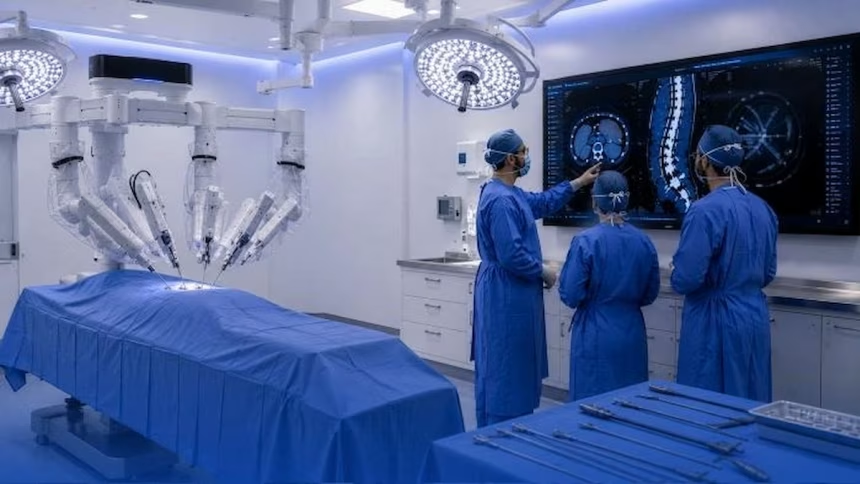
A multidisciplinary team of gastroenterology, vascular surgery, radiology and robotic surgery specialists identified significant compression of the celiac artery through advanced imaging and vascular assessments. The patient subsequently underwent robotic-assisted release of the median arcuate ligament, with minimal blood loss and no complications.
Dr. Salem Al Harthi, Consultant Robotic Surgeon and Chair of the Surgery Department at SSMC, said: “Robotic-assisted surgery enables us to manage highly complex cases with exceptional precision that is particularly crucial when operating around critical vascular and nerve structures. In this case, the technology enabled a minimally invasive approach while supporting careful dissection and preservation of surrounding anatomy. “
Click here to join our WhatsApp channel here
Following treatment, the patient became pain-free, returned to a normal diet and reported significant improvement in reflux, nausea and other symptoms. The case highlights SSMC’s growing capabilities in robotic-assisted surgery, advanced diagnostics and multidisciplinary care for rare and complex conditions.
Also read: New BEACON Network Integrates Emergency and Acute Care Across Abu Dhabi
Commenting on the case, Dr. Mohamed Baguneid, Chair of the Vascular Surgery Division at SSMC, said: “Median Arcuate Ligament Syndrome is a rare condition that can often go undiagnosed because its symptoms overlap with a number of more common gastrointestinal disorders. Cases like this highlight the importance of multidisciplinary collaboration, advanced diagnostic capabilities and specialist expertise in identifying the root cause of complex presentations. Bringing together specialists from multiple disciplines allowed us to reach a diagnosis and develop a treatment plan tailored to the patient’s needs.”