


WHO has received a US$3 million grant from Wellcome to strengthen the use of community-generated evidence in the response to Bundibugyo virus disease (BVD). The funding will help integrate social and behavioural insights with epidemiological, clinical, and laboratory data to support faster and more informed public health decisions.
With no specific medical countermeasures currently available for BVD, understanding how communities perceive risk, seek care, and respond to public health measures is critical to controlling transmission.
Click here to join our WhatsApp channel here
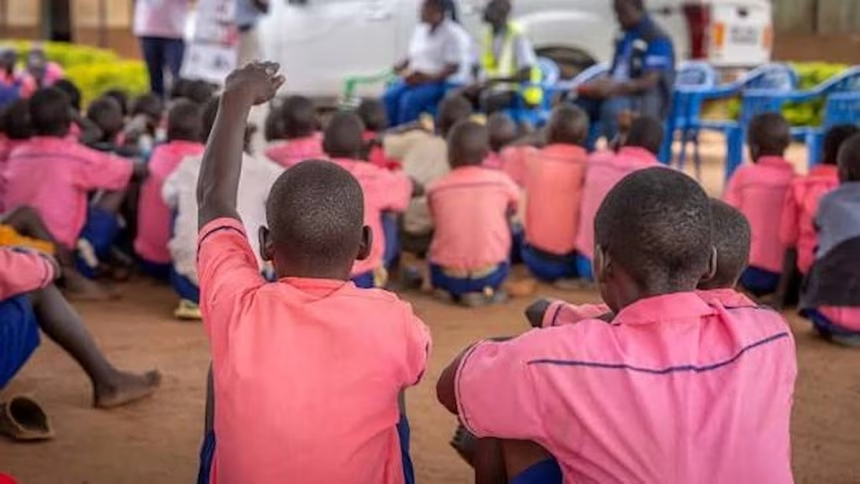
Since the Public Health Emergency of International Concern was declared on 17 May 2026, WHO and the Government of the Democratic Republic of the Congo have conducted rapid community assessments in affected areas. These assessments have already identified opportunities to strengthen community surveillance, improve access to hotlines and psychosocial support, reduce ambulance delays, and build confidence in healthcare services.
“We are public health practitioners and scientists first,” said Dr Nina Gobat, Senior Technical Officer for Community Protection and Resilience, who leads the project. “Understanding how communities experience and respond to an outbreak requires specific expertise. That evidence has to be generated with rigour, and it has to move at the same speed as the outbreak itself.”
The new funding will allow WHO and partners to systematically expand these assessments throughout the outbreak, creating a continuous stream of social and behavioural evidence to complement traditional outbreak data. The approach has previously been used in responses to mpox, Ebola, and cholera, providing insights across communities affecting more than 8.8 million people.
Also read: AI-Enabled Cardiac Diagnostic System Receives UAE Regulatory Approval
The initiative aims to make community evidence a routine part of outbreak intelligence, helping health authorities respond more rapidly, build public trust, and improve the effectiveness of interventions during current and future health emergencies.