

Imagine a disease so deadly that what begins as a simple fever, headache, and fatigue could quickly turn into a life-threatening condition with a mortality rate of up to 88%. While the world continues to recover from recent global health crises, Marburg virus disease remains a serious threat to public health. Though relatively unknown to many people, this rare and highly fatal viral infection can spread through contact with infected bodily fluids and cause severe internal bleeding, making it one of the world’s deadliest diseases.
What is Marburg Virus Disease?
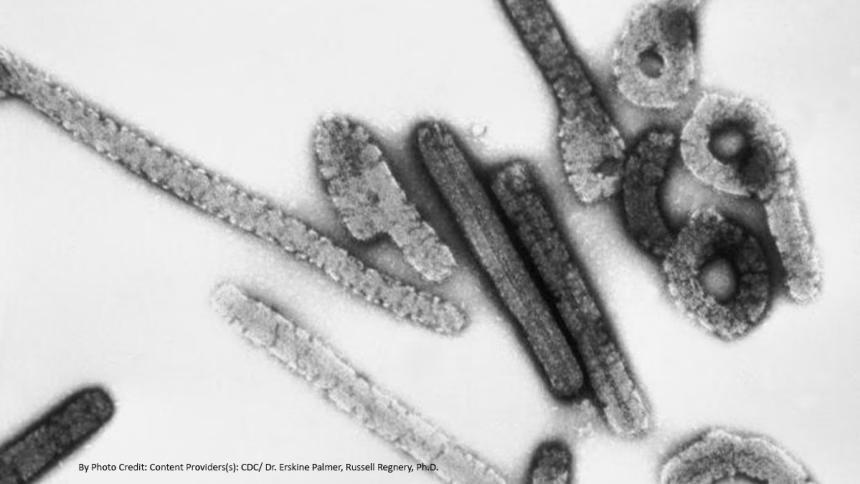
Marburg virus disease is caused by Marburg virus (MARV) and the closely related Ravn virus (RAVV). These viruses belong to the Filoviridae family, which also includes the Ebola virus. MVD was first identified in 1967 after outbreaks occurred in Marburg and Frankfurt in Germany and Belgrade in Serbia. Since then, several outbreaks have been reported across African countries.
From Bats to Bloodstream: How Marburg Spreads
The Marburg virus is naturally carried by the Egyptian fruit bat (Rousettus aegyptiacus), which serves as its natural host. Human infection usually begins after prolonged exposure to caves or mines inhabited by infected bats. Once the virus enters the human body, it spreads through direct contact with the blood, bodily fluids, or contaminated materials of an infected person. Contact with infected dead bodies can also contribute to transmission.
Symptoms
The incubation period of MVD ranges from 2 to 21 days. The illness usually begins suddenly with:
- High fever
- Severe headache
- Fatigue and weakness
- Muscle aches and pain
As the disease progresses, patients may develop diarrhoea, abdominal pain, vomiting, and skin rashes. In severe cases, bleeding, confusion, organ failure, and shock may occur, sometimes leading to death.
Also read: Zoya Technologies Unveils Offline-Capable Clinical AI Terminal for Disconnected Environments
When Every Symptom Looks Familiar: Diagnosis, Treatment, and Vaccine
Marburg virus disease is difficult to diagnose because its symptoms resemble those of diseases such as malaria and typhoid. Confirmation requires laboratory tests such as:
- ELISA
- Antigen detection tests
- RT-PCR
- Virus isolation in specialised laboratories
Currently, there are no approved vaccines or antiviral treatments for MVD. However, early supportive care, including rehydration and symptom management, can significantly improve a patient’s chances of survival.
Click here to join our WhatsApp channel here
Prevention and Control
- Avoid unnecessary exposure to caves and mines inhabited by fruit bats
- Wear gloves, masks, and protective clothing when entering such environments
- Properly cook animal products during outbreaks
- Avoid direct contact with infected individuals and their body fluids
- Isolate suspected or confirmed patients
- Maintain good personal hygiene and sanitation
Care for Survivors
People who recover from MVD may continue to experience physical and psychological effects. Medical follow-ups, counselling, and community support are important for recovery. Since the virus can persist in certain parts of the body even after recovery, survivors should follow medical advice to minimise the risk of further transmission.
Marburg virus disease is a rare but extremely dangerous viral infection that poses a serious threat to public health. Although there is currently no approved vaccine or cure, early medical care, strong infection-control measures, and public awareness can significantly reduce the impact of outbreaks. Continued research, community cooperation, and global preparedness are essential in the fight against this deadly disease.