


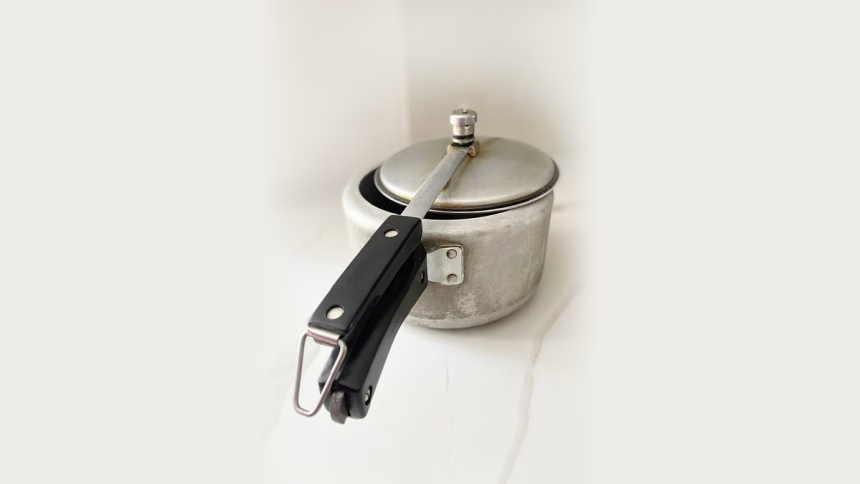

Pressure cookers are a staple in kitchens around the world, prized for their ability to cook food quickly and preserve nutrients. But what if the very tool that helps you prepare healthy meals is secretly introducing a dangerous toxin into your food?
Recent studies and reports have raised concerns about older aluminum pressure cookers, especially those made from low-quality or recycled materials. These cookers can leach lead, a heavy metal with serious health effects, into food during the cooking process. Here’s what you need to know to keep yourself and your family safe.
Also Read: New Study Shows Abbott’s Healthy Food Rx Helps Diabetes Patients Eat Better and Feel Healthier
How does lead get into pressure cookers?
Lead isn’t a natural component of aluminum. So how does it end up in pressure cookers? The answer often lies in manufacturing. Some pressure cookers are produced using recycled aluminum scrap, which may contain traces of lead from previous uses, such as in batteries, solder, or coatings. During the recycling process, if standards are not strictly followed, lead and other contaminants can be unintentionally incorporated into new products.
This is especially common in older models or pressure cookers made in regions with less stringent manufacturing regulations. Over time, and with repeated use, these metals can seep into food, particularly when cooking acidic ingredients like tomatoes, citrus, or vinegar, which accelerate the breakdown of the pot’s interior.
Understanding lead’s impact on your body
Lead poisoning operates like a slow-acting toxin. Unlike other contaminants that the body can flush out relatively quickly, lead accumulates in bones, brain tissue, and organs over time. This gradual buildup makes it particularly dangerous because symptoms often don’t appear until significant damage has occurred.
Click here to join our WhatsApp channel here
For Adults: Long-term lead exposure can cause memory problems, difficulty concentrating, and reduced cognitive function. Physical symptoms include persistent fatigue, stomach pain, joint aches, and reduced kidney function. Reproductive health may also suffer, with studies linking lead exposure to fertility issues in both men and women.
For Children: Young people face even greater risks. Lead can interfere with brain development, leading to learning difficulties, behavioral problems, and reduced IQ scores. Children absorb lead more readily than adults, making them especially vulnerable to contaminated cookware.
For Pregnant Women: Perhaps most concerning is lead’s ability to cross the placental barrier. Expectant mothers using contaminated cookware may unknowingly expose their unborn children to lead, potentially affecting fetal brain development and birth weight.
What are the signs of lead exposure?
Symptoms often mimic other common problems, making diagnosis tricky without tests. Look out for ongoing fatigue, stomach pain, nausea, or headaches. In kids, you might notice trouble concentrating, mood swings, or delayed milestones. Adults could experience joint pain, infertility, or high blood pressure. If kidney function drops, swelling in the legs or frequent urination might appear.
A blood test is the best way to check lead levels. If you suspect exposure, see a doctor, early detection can prevent worse outcomes.
When should you replace your pressure cooker?
It can be difficult to tell just by looking whether your pressure cooker contains lead. But some signs should alert you:
- The pressure cooker is old, scratched, corroded, or peeling.
- It has an unusual metallic smell or discoloration inside.
- It was bought many years ago from unregulated sources or without visible certification.
Safer replacements include stainless steel pressure cookers, high-quality hard-anodized aluminum, or glass and ceramic pots. These materials are generally more stable and less likely to leach harmful substances.
For everyday practices, consider these steps:
- Avoid prolonged cooking of acidic foods in old aluminum pressure cookers.
- Transfer cooked food to glass or ceramic containers for storage, rather than leaving it in the cooker.
- If you prepare large batches of food at schools, catering facilities, or community kitchens, proper inspection of pressure cookers is important.
Globally, organizations like the U.S. Food and Drug Administration recommend replacing cookware every few years if it’s heavily used. By choosing reliable brands and maintaining your kitchen tools, you reduce risks significantly.
While pressure cookers are convenient, older aluminum ones pose a real lead hazard, especially with frequent use. By being aware, eating well, and upgrading when needed, you can keep your meals safe and healthy. If you’re concerned, consult a healthcare professional for personalized advice. Staying informed is the first step to protecting yourself and your loved ones.