

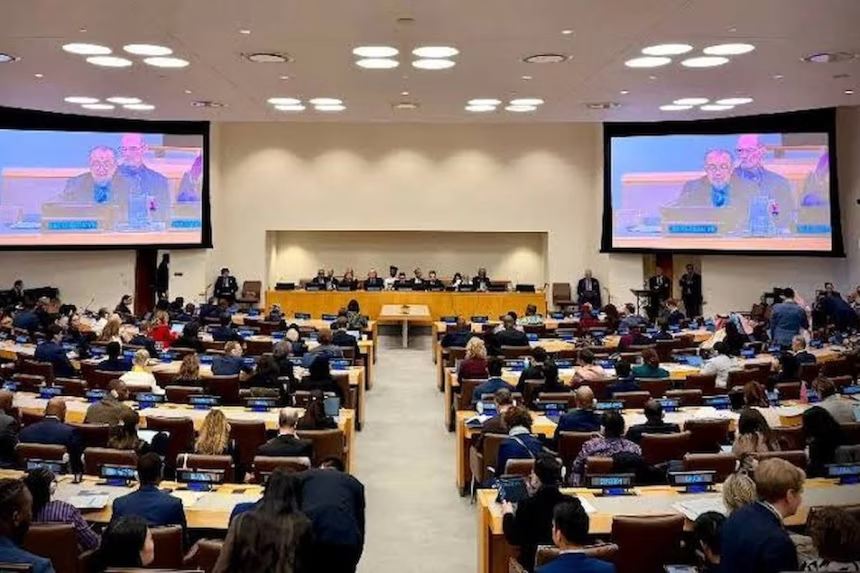

World leaders at the United Nations General Assembly (UNGA) have renewed their commitment to strengthening global efforts on pandemic prevention, preparedness and response (PPPR), highlighting the need for sustained investment and international cooperation.
The second UNGA High-level Meeting on PPPR, held in New York on September 25, 2026, followed the first meeting in 2023, which was convened in response to the COVID-19 pandemic and gaps in global health security.
Countries highlighted progress made over the past three years, including the adoption of the WHO Pandemic Agreement and amendments to the International Health Regulations (2005). Global capacities for epidemic and pandemic surveillance, pathogen sharing and local manufacturing of vaccines, treatments and diagnostics have also expanded.
Click here to join our WhatsApp channel here
“The Pathogen Access and Benefit Sharing System, under negotiation, is critical to unlocking the full potential of the WHO Pandemic Agreement. There is no time to waste,” said Mrs Amina Mohammed, the United Nations Deputy Secretary-General, speaking on behalf of UN Secretary-General Mr António Guterres. “I call on Member States to accelerate these actions. Let’s get it done. Let’s deliver the Pandemic Agreement the world is waiting for.”
“The COVID-19 pandemic exposed and exacerbated the fault lines of global health security, and taught the world many painful lessons,” said Dr Tedros. “The political commitment shown today reflects those lessons, and includes important commitments to concrete, measurable and urgent action to build and strengthen local and national capacities, to invest in resilient health systems, and to expand equitable access to products, tools and resources.”
Also read: Emirati Women Forum Highlights Health, Wellbeing and Intergenerational Leadership
The meeting also highlighted the importance of a One Health approach that recognises the links between human, animal and environmental health. Leaders emphasised that pandemic prevention requires sustained political commitment, international cooperation, resilient health systems and long-term investment beyond periods of crisis.