

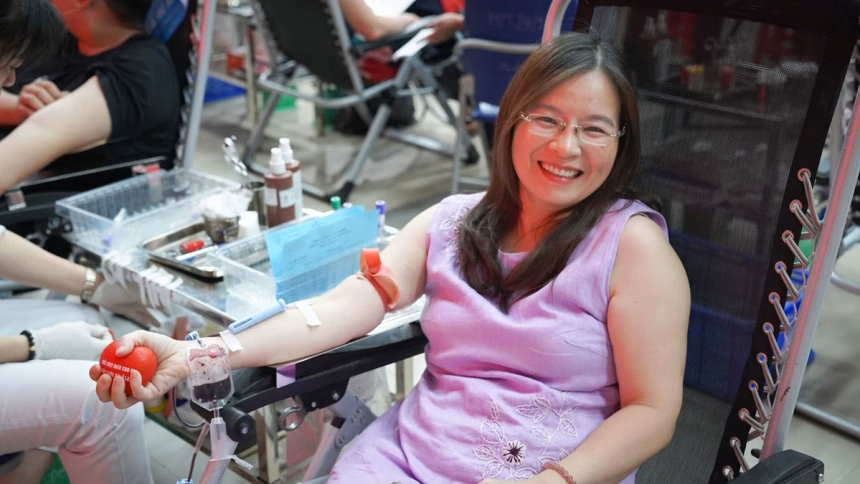

New data from the World Health Organization (WHO) show that global blood collections increased by nearly 19% between 2013 and 2023, with voluntary unpaid donors contributing more than 85% of the estimated 120 million donations collected in 2023.
Despite this progress, access to safe blood and blood products remains highly unequal, particularly in lower-income countries where shortages, limited funding, weak infrastructure, and logistical challenges continue to affect patients in need of life-saving transfusions. WHO noted that women experiencing severe bleeding during childbirth, trauma patients, surgical patients, and people living with conditions such as sickle-cell disease, thalassaemia, haemophilia, and certain cancers are among those most affected.
Also read: Africa CDC Urges Stronger Border Screening Amid Ebola Outbreak
The organization also highlighted gaps in blood system governance, regulation, and financing, urging countries to strengthen blood services, quality assurance programs, and surveillance systems. The findings were released ahead of World Blood Donor Day on June 14.
Click here to join our WhatsApp channel here
“No one should die because safe blood is unavailable when it is needed,” said Dr Tedros Adhanom Ghebreyesus, WHO Director-General. “These data show encouraging progress, particularly in the growing contribution of voluntary unpaid blood donors worldwide, the cornerstone of safe and sustainable blood supplies but it also reminds us that where a person lives can still determine whether they have access to the blood transfusion they need. Governments must continue investing in strong, sustainable national blood systems and supporting the voluntary unpaid blood donors whose generosity saves millions of lives every year.”