


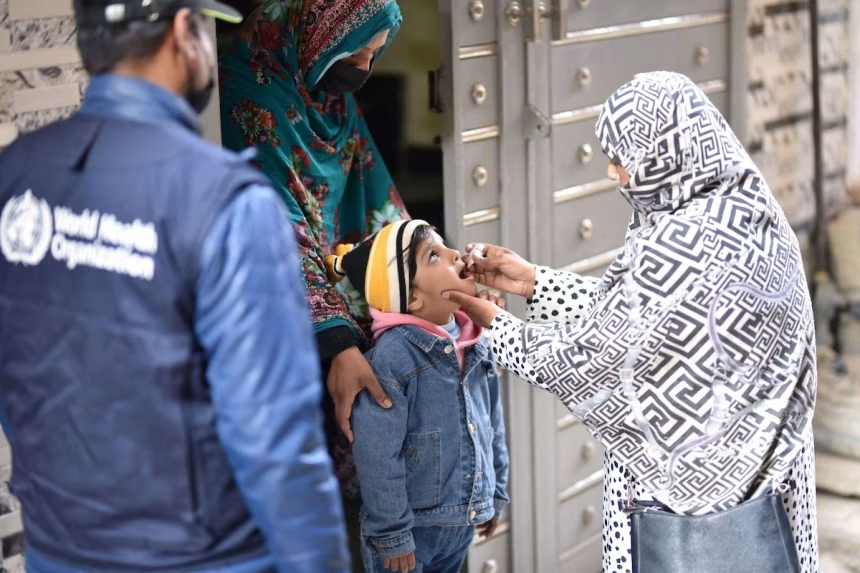
Geneva: The World Health Organization (WHO) has extended the Public Health Emergency of International Concern (PHEIC) for poliovirus, citing the continued risk of international spread of wild poliovirus type 1 (WPV1) and circulating vaccine-derived polioviruses (cVDPVs).
Following its 45th Emergency Committee meeting, the WHO Director-General determined on 21 August 2026 that the poliovirus situation remains a PHEIC and extended the related Temporary Recommendations for another three months. The situation was not classified as a pandemic emergency.
Also read: Moscow AI Healthcare Subcommittee Recognized Among Russia’s Top Technical Committees
WPV1 transmission remains concentrated in Afghanistan and Pakistan, with persistent transmission in several high-risk areas. The WHO also reported ongoing cVDPV transmission, particularly cVDPV2, across parts of Africa and other affected regions.
The Committee highlighted gaps in vaccination coverage, insecurity, population movement and limited access to some communities as continuing challenges to eradication efforts. It called for stronger routine immunization, high-quality vaccination campaigns, sensitive surveillance and greater cross-border coordination. The WHO also stressed the importance of protecting vaccination workers, maintaining laboratory capacity and securing adequate funding to sustain global polio eradication activities.


