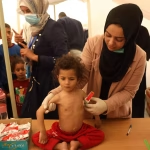


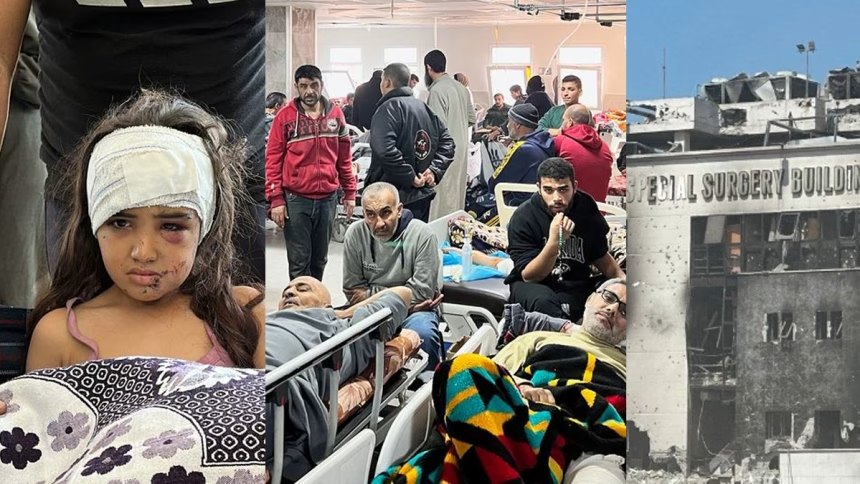
The healthcare system in Gaza remains severely strained and fragile following years of blockade, repeated conflicts, and the recent intense war that ended with the latest ceasefire. Despite the pause in hostilities, the system’s infrastructure, staff, and resources are at breaking point, grappling with widespread damage, limited supplies, and overwhelming patient loads.
Also Read: Gaza’s many injured will need rehabilitation care and support for years to come, WHO report
Today’s Gaza
The system is primarily public, managed by the Gaza Ministry of Health, with support from NGOs and international aid. It includes hospitals, primary care centers, and emergency services.
Key components:
- Hospitals: Gaza has 36 hospitals in total, but according to WHO and UNOCHA reports, only 14–19 hospitals remain partially functional after the recent conflict. Major facilities such as Al-Shifa and Nasser have sustained severe damage. The current operational capacity is estimated at around 2,000–2,400 hospital beds, serving a population with immense medical needs.
- Primary Care: There are more than 130 primary health centers, though many operate at reduced capacity due to damage and staff shortages.
- Specialized Services: Mental health, maternal care, and chronic disease treatment are available but underdeveloped. Cancer treatment and advanced care often require referrals outside Gaza, which remain highly restricted.
Workforce and resources:
- The health workforce faces critical shortages, with many healthcare professionals displaced or unable to work due to safety concerns.
- According to WHO, over 50% of essential medicines and more than 60% of laboratory items are at “zero stock” levels, causing severe service disruptions. Medical equipment and fuel supplies remain heavily dependent on international aid.
Healthcare challenges in Gaza
Despite the ceasefire, several persistent issues hinder effective healthcare delivery:
- Infrastructure damage: Reports from UNOCHA indicate that about one-third of Gaza’s healthcare facilities have been damaged or destroyed, leading to power outages, water shortages, and unsafe conditions for patients.
- Resource scarcity: Blockades and access restrictions continue to limit imports of fuel, medicines, and vaccines. WHO data shows that only a fraction of required medical supplies reach Gaza regularly, leaving hospitals unable to meet daily needs.
- Access and Equity:
- Over 80% of the population lives below the poverty line, according to UNRWA, making private healthcare unaffordable.
- Overcrowding is extreme, with waiting times for surgeries and non-emergency procedures stretching for months.
- Epidemic Risks: Poor sanitation and limited access to clean water increase vulnerability to waterborne diseases such as hepatitis and diarrheal illnesses. WHO has also detected poliovirus in wastewater samples, raising serious public health concerns.
Outlook and needs
Following the recent ceasefire, the healthcare system in Gaza requires urgent:
- International support for rebuilding healthcare infrastructure.
- Access to medical supplies, equipment, and fuel to restore essential services.
- Protection of healthcare workers and facilities under international humanitarian law.
- Long-term investments in resilient healthcare protocols to better prepare for future crises.
The healthcare system in Gaza remains in a fragile state, with the people facing numerous barriers to accessing quality medical care. Addressing the systemic issues and ensuring sustained global support for healthcare reconstruction is vital to improve the well-being of Gaza’s population in the aftermath of the recent conflict.