


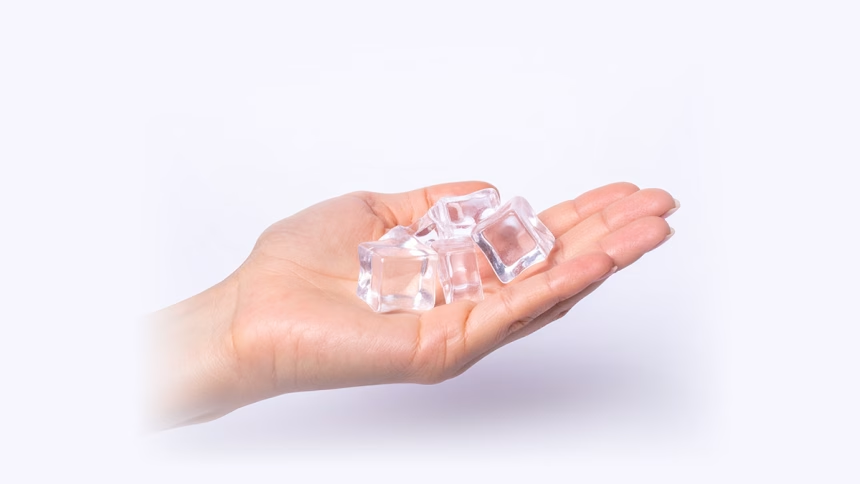
Giving first aid quickly can make a big difference in how burns heal. Research shows that using cool running water helps people recover better, but using ice can actually make things worse and should be avoided.
Benefits of cool running water
Studies with many people show that cooling burns the right way really helps. People who got cool running water were much less likely to need intensive care, skin grafts, or long hospital stays, and their risk of dying was lower. One review of over 11,000 patients found that using water within three hours, especially for 20 minutes, made surgery less likely.
Optimal protocol
The best way to cool a burn is to use running water at about 15°C (59°F) for at least 20 minutes, as soon as possible after the injury. Running water works better than soaking the burn. The longer you cool, the better the results, especially between 20 and 39 minutes. But cooling for more than 40 minutes, especially with big burns, can cause problems like hypothermia.
Why ice is harmful
On the other hand, using ice can actually harm the skin even more. Ice makes blood vessels tighten, which cuts off blood flow to skin that is already hurt, and it can damage cells. There are reports of people getting frostbite or extra cold burns from ice. Even though ice cools quickly, studies show that wounds heal worse with ice than with cool water. That’s why experts say not to use ice.
Mechanisms of water cooling
Cool water does more than just lower the temperature. It helps keep burns from getting deeper by taking away leftover heat, reducing tissue damage, and lowering swelling. It also eases pain and helps control the body’s response to injury. This is why cooling a burn early can prevent problems right away and reduce scarring later on.
Clinical and public health implications
Good burn care starts right where the injury happens. Everyone, from first responders to the general public, should know to use cool running water for 20 minutes within three hours, and never use ice. Hospitals and emergency teams should make sure water is always available and include this advice in their first aid plans.