


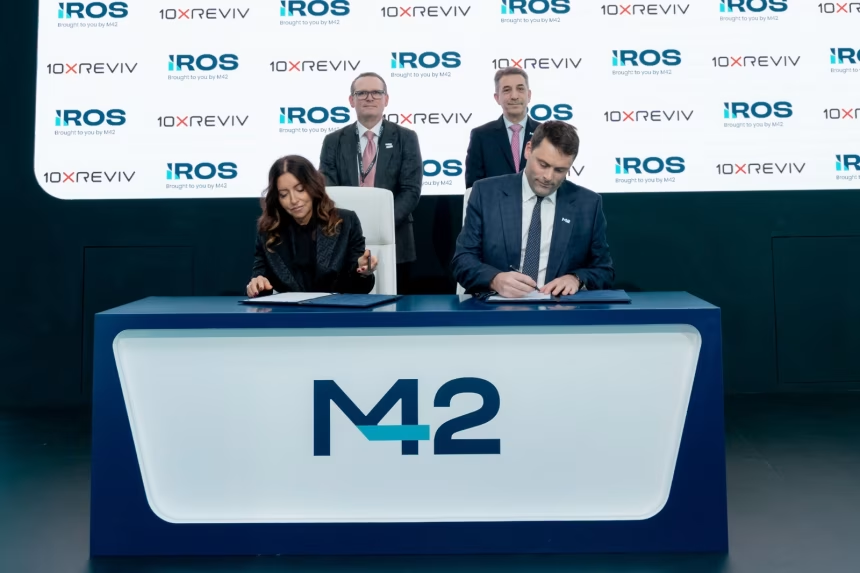
M42’s Insights Research Organization and Solutions (IROS) and 10XREVIV have announced a clinical study to evaluate how precision nutrition may support the nutritional health and well-being of patients receiving GLP-1 therapies.
The study aims to address nutritional challenges that may arise during treatment, as reduced appetite, lower food intake and gastrointestinal side effects can make it harder for some patients to meet their nutritional requirements.
The research will compare 10XREVIV’s precision nutrition system alongside standard care with standard care alone. Researchers plan to assess nutritional status, body composition and patient-reported outcomes, including fatigue, quality of life and treatment adherence, extending the evaluation beyond changes in body weight.
David Kavanagh, General Manager, Omics at M42, said: “Our collaboration with 10XREVIV reflects IROS’s role in helping companies bring emerging health innovations into rigorous clinical research. We provide the study design, execution and oversight expertise needed to turn promising concepts into structured clinical evaluations and generate evidence that can guide product development and clinical decisions. Through this study, we will support 10XREVIV in building the clinical evidence for the application of its precision nutrition system in patients receiving GLP-1 therapy, with the potential to contribute to Abu Dhabi’s growing clinical research ecosystem and the wider evidence base.”
Sarah Lomas, CEO REVIV Global & Co-Founder 10XREVIV, said: “Our ambition is to help shape the future of precision nutrition and healthy longevity through a commitment to research-led innovation. This study is an important step in building the clinical evidence behind our work and reflects how we want to distinguish 10XREVIV: through clinical research and measurable outcomes. Working with IROS, we are building an evidence base for how our precision nutrition system supports people receiving GLP-1 treatment, where reduced food intake can make meeting nutritional needs more difficult.”
Click here to join our WhatsApp channel here
The announcement follows research published in Obesity Pillars in 2025 involving more than 460,000 adults prescribed GLP-1 therapies. The study found that 22.4% had a newly recorded nutritional deficiency or related complication within 12 months. However, the observational findings do not establish that GLP-1 medications caused these conditions.
Through the collaboration, IROS and 10XREVIV aim to generate evidence that could inform nutritional support during GLP-1 treatment. The findings may help guide future approaches to personalised nutrition, subject to the study’s design and results.
Also read: Saudi Hospital Explores Medical Cooperation and Specialist Training with Libya


