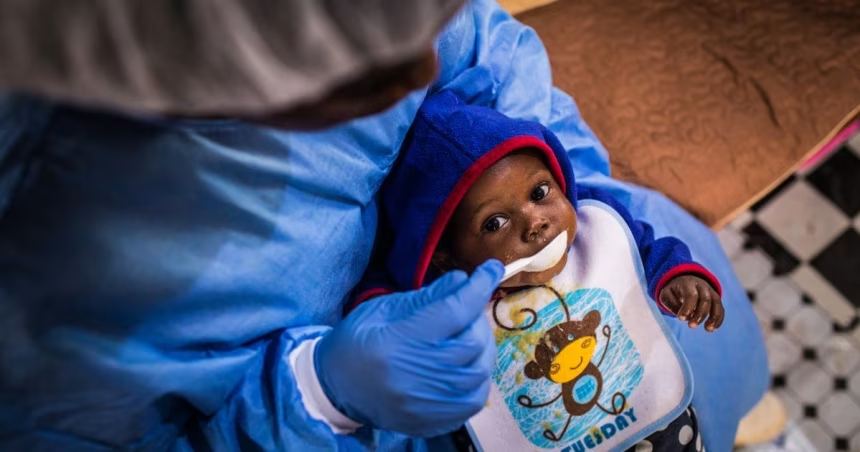

The Food and Agriculture Organization of the United Nations (FAO), World Food Programme (WFP), UNICEF and World Health Organization (WHO) have warned that hunger in the Democratic Republic of the Congo (DRC) is expected to worsen, with a record 30.3 million people projected to face crisis levels of acute food insecurity or worse between January and June 2027.
According to the latest Integrated Food Security Phase Classification (IPC) analysis, nearly 29 million people are already experiencing acute food insecurity from September to December 2026, including 3.6 million facing Emergency levels of hunger. By early 2027, the number facing Emergency conditions is expected to rise to 4.2 million.
Armed conflict, displacement, rising food prices and disrupted agricultural activities are among the key factors driving the crisis. The situation is further aggravated by Ebola, cholera, mpox and other disease outbreaks, which are placing additional pressure on vulnerable communities and already stretched healthcare systems.
Eastern DRC faces particularly severe conditions, with more than 11 million people in North Kivu, South Kivu and Ituri projected to experience Crisis-level hunger or worse. Nine territories across these provinces are expected to face Emergency levels of food insecurity.
Click here to join our WhatsApp channel here
“Conflict is driving families from their homes, cutting them off from their fields and putting food beyond their reach,” said Ross Smith, WFP Director of Emergency Preparedness and Response. “’The Ebola outbreak is a crisis on top of a pre-existing crisis, and we must meet these humanitarian needs if we are to stop the spread of the virus. We need safe, sustained access and resources to deliver food assistance at scale before more families face Emergency levels of hunger.”
The agencies also highlighted the impact of malnutrition, limited access to healthcare, unsafe water and inadequate sanitation, particularly on children under five. These challenges increase the risk of severe illness and make recovery more difficult for affected families.
FAO, WFP, UNICEF and WHO are calling for urgent international support to expand food assistance, restore agricultural livelihoods, prevent and treat malnutrition, and maintain essential healthcare, nutrition, water and sanitation services. They have also urged all parties to protect civilians and ensure safe, uninterrupted humanitarian access to affected communities.
Also read: Personalised Nutrition Brand Sets Sights on Middle East Expansion
“Families in eastern DRC urgently need practical support at scale to enable them to feed themselves,” said Rein Paulsen, Director of the FAO Office of Emergencies and Resilience. “Every agricultural season missed deepens hunger and increases dependence on humanitarian assistance. If farmers receive seeds, tools and other essential support before planting begins in early 2027, they can harvest by mid-year, restore incomes and help feed their communities through the lean season. Acting late means another missed harvest, more displacement and hunger and a longer, costlier emergency response.”