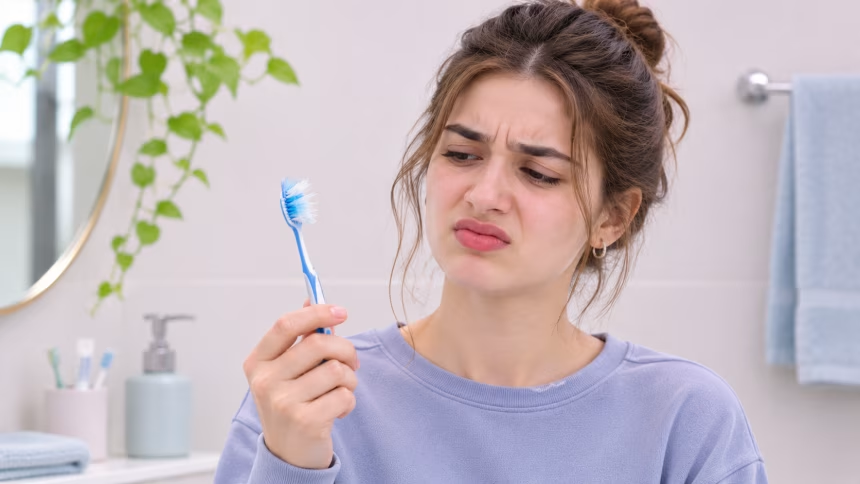

Imagine waking up one morning, reaching for your toothbrush and going about your usual routine, unaware that the very tool you rely on to keep your teeth clean may have become a breeding ground for bacteria.
Ever wondered how long you have been using that toothbrush? A month? Three months? Or perhaps even longer? While replacing a toothbrush may seem like a minor detail in your daily hygiene routine, overlooking it can affect your oral health. Over time, bristles wear out, lose their effectiveness and may accumulate bacteria, making an essential part of your daily routine less effective than you think.
While most people focus on choosing the right toothpaste and maintaining a regular brushing routine, the condition of the toothbrush itself often goes unnoticed. A toothbrush is not designed to last forever, and its effectiveness gradually declines with regular use.
Why your Toothbrush needs more attention?
Brushing twice a day is an essential part of maintaining good oral hygiene, but how effective is your routine if your toothbrush is no longer doing its job properly? Over time, regular use causes bristles to wear out, bend and lose their shape, making it harder to remove plaque and food particles effectively. While people often pay attention to their toothpaste and brushing habits, the condition of their toothbrush is just as important.
Click here to join our WhatsApp channel here
What happens when you keep using an old toothbrush?
With regular use, toothbrush bristles gradually wear out, making them less effective at cleaning your teeth. An old toothbrush can also accumulate bacteria and debris.
Some common concerns include:
• Frayed bristles: Lose their shape and become less effective.
• Poor cleaning: Make it harder to remove plaque and food particles.
• Bacterial build-up: Microorganisms can accumulate on bristles.
• Moisture and residue: Damp bristles can allow microorganisms to survive.
Can an old toothbrush affect your oral health?
Using an old, worn-out toothbrush can affect oral health by making it harder to remove plaque and food particles effectively. Over time, plaque build up may lead to gum inflammation, bad breath and an increased risk of cavities. Although an old toothbrush does not automatically cause infections, poor cleaning can contribute to several dental problems.
When should you replace your toothbrush?
The-three-month-rule.
Dental professionals generally recommend replacing your toothbrush every three months. However, if the bristles become frayed, bent or damaged before that, it is better to replace it sooner. Worn-out bristles lose their effectiveness and may not clean your teeth properly. Regularly checking the condition of your toothbrush can help you maintain good oral hygiene.
Also read: UAE Strengthens Local Drug Manufacturing Through New Partnerships
What about your Toothbrush after being sick?
After recovering from an illness such as a cold, flu or throat infection, many people wonder whether they should replace their toothbrush to avoid getting sick again. According to the American Dental Association (ADA), there is little evidence that using the same toothbrush after recovery causes reinfection in otherwise healthy individuals. However, this does not mean toothbrush hygiene can be ignored. Bacteria and viruses may remain on toothbrush bristles for some time, making proper care important. Rinsing the toothbrush thoroughly after every use, allowing it to air-dry and storing it upright can help maintain hygiene. People with weakened immune systems may also need to take additional precautions and seek advice from their dentist.
How to keep your Toothbrush clean between replacements?
• Rinse thoroughly after every use.
• Store it upright.
• Allow it to air-dry.
• Avoid covering wet bristles.
• Keep toothbrushes separate to prevent cross-contamination.
Replacing your toothbrush may seem like a small and easily overlooked part of your daily routine, but it plays an important role in maintaining good oral hygiene. Using a fresh toothbrush every three to four months, or sooner when the bristles become worn out, helps ensure effective cleaning. Along with regular brushing and proper toothbrush care, this simple habit can help keep your teeth and gums healthy.