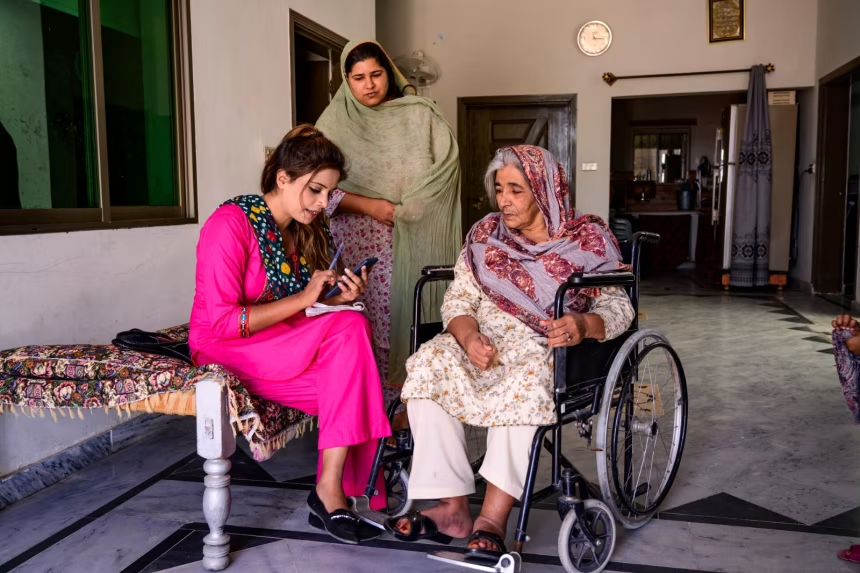

The World Health Organization (WHO) has introduced new policy recommendations to strengthen the role of care workers within national health systems, addressing the growing demand for care as populations age and more people require assistance with disabilities and chronic health conditions.
A new publication by the WHO Academy outlines strategies to improve workforce planning and ensure care professionals receive greater recognition and support. It highlights how care workers, including those providing paid and unpaid services, remain essential to community health but are often overlooked in traditional healthcare workforce policies.
The framework presents 20 policy areas covering different stages of a care worker’s career, from recruitment and professional development to workplace support and career transitions. It is designed to guide governments, employers, educators and regulators in building a more integrated health and care workforce.
Click here to join our WhatsApp channel here
“Care workers make an essential contribution to the health and well-being of people and communities, yet their role is often not clear when it comes to workforce planning. These policy options provide countries with a practical framework for developing this much-needed workforce alongside the wider health workforce,” explained Dr Tomas Zapata, Director of the WHO Academy.
The recommendations particularly emphasise improving education and training opportunities, strengthening working conditions and ensuring fair wages. They also address gender equality, migrant workers and differences between public and private care settings.
WHO highlights that investing in skills development, lifelong learning and workforce support can improve care delivery while helping countries establish more sustainable, equitable and people-centred health systems.
Also read: Complex Eye Surgeries Help Young Patient Regain Vision After 21 Years