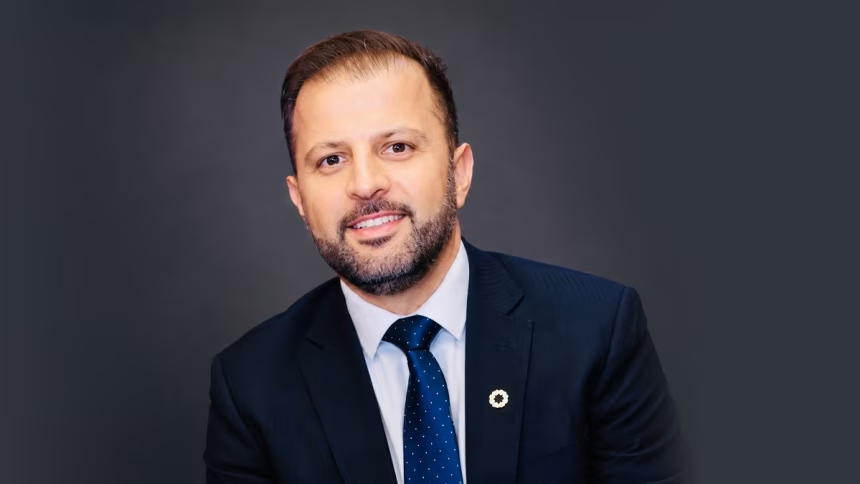

Many patients in the UAE still delay checking a worrying symptom, often because they fear what they might hear. Philip Shabo, Senior Director of Operations for Burjeel Cancer Institute, explains why people arrive late, which cancers are being diagnosed in younger patients and what the care journey involves.
MedEdge MEA: From where you sit, what are the biggest barriers that stop people in the UAE from getting a cancer concern checked early?
Philip Shabo : The biggest barrier is fear. Many people would rather not know, and they delay because they assume a cancer diagnosis means the worst. Alongside that, there is still stigma, particularly around breast and bowel symptoms, and a belief that if you feel well, you are well. Busy working lives, especially among younger expatriates, mean symptoms get pushed down the list. And some people are unsure what their insurance covers or where to start. The result is that too many patients reach us later than they should, when treatment is harder and outcomes are less favourable.
MEA: Which cancers are you seeing most often in the region, and what trends in diagnosis should the public be aware of?
Philip Shabo : Breast cancer remains the most commonly diagnosed cancer in the UAE, followed by thyroid and colorectal cancer, with prostate cancer prominent among men. Two trends stand out. First, we see breast and colorectal cancers in people who are younger than the typical patient in Europe or North America, often in their thirties and forties. Second, colorectal cancer has become a leading cause of cancer death nationally, largely because it is found late. That is a preventable situation, because bowel cancer screening is effective when people take it up.
MEA: How can people make sense of the cancer care journey, from a first worrying symptom to diagnosis and treatment, and what should they expect along the way?
Philip Shabo: Think of it in stages. It starts with a GP or specialist consultation, then imaging and usually a biopsy to confirm what is happening. If cancer is diagnosed, staging tests show how far it has spread, and that shapes the treatment plan. Treatment may combine surgery, chemotherapy, radiotherapy, immunotherapy or targeted therapy, followed by survivorship care and monitoring.
Patients should expect a clear plan, a named point of contact and honest timelines. Waiting for results is often the hardest part emotionally, so ask when each result is due and who will explain it. It is completely reasonable to ask questions, bring a family member and request a second opinion.
MEA: Why is coordinated care across different specialists so important for patients, and how can families make sure they are getting it?
Philip Shabo : Cancer is rarely treated by one doctor. A surgeon, medical oncologist, radiation oncologist, radiologist and pathologist each see a different part of the picture. When they review a case together at a multidisciplinary tumour board, the plan is better sequenced, avoids duplicated tests and reflects the latest evidence. Patients also benefit from nurse navigators, nutrition, psychological and palliative support.
Click here to join our WhatsApp channel here
Families should ask directly: has my case been discussed at a tumour board? Who is coordinating my care? Who do I call if something changes? A centre that answers those questions confidently is usually providing joined-up care.
MEA: What practical steps can individuals take to lower their risk, and which screening checks should they not put off?
Philip Shabo : Many cancers are linked to lifestyle. Stop smoking, including shisha and vaping. Keep a healthy weight, which matters given high obesity rates in the region. Stay active despite the heat, limit processed and red meat, eat more fibre, and protect your skin from the sun. Vaccination against HPV and hepatitis B also prevents cancers.
On screening, women should start mammograms from 40 and keep up cervical screening from 25. Bowel cancer screening is recommended from 40 under UAE guidance, and it can be a simple at-home stool test. Men should discuss prostate testing with their doctor from around 50, earlier with a family history. Long-term heavy smokers should ask about low-dose CT lung screening. Anyone with a strong family history should speak to a doctor about starting earlier.
Also read: WHO Advances Global Traditional Medicine Through Innovation
MEA: What common misconceptions about cancer care do patients and families bring with them, and how would you set the record straight?
Philip Shabo : The first is that cancer is a death sentence. It is not. Many cancers are curable when caught early, and others can be controlled for years. The second is that patients need to travel abroad for the best care. Today, the UAE offers internationally accredited centres with advanced radiotherapy, precision oncology and clinical trials, so families can be treated close to home and their support network. The third is that a biopsy spreads cancer, which is a myth that delays diagnosis. Finally, some believe that if there is no family history, they are not at risk. Most cancers occur in people with no family history, which is exactly why screening matters for everyone.