


The World Health Organization (WHO) has launched a series of working papers to document traditional, complementary and integrative medicine (TCIM) practices worldwide, supporting informed discussions on training, regulation, research and integration into healthcare systems.
The series, developed through the WHO Global Traditional Medicine Centre, covers both comprehensive traditional medicine systems and specific therapeutic practices. It draws on scientific evidence, accreditation frameworks and expert input to describe existing approaches within their respective theoretical frameworks and in relation to contemporary biomedical evidence.
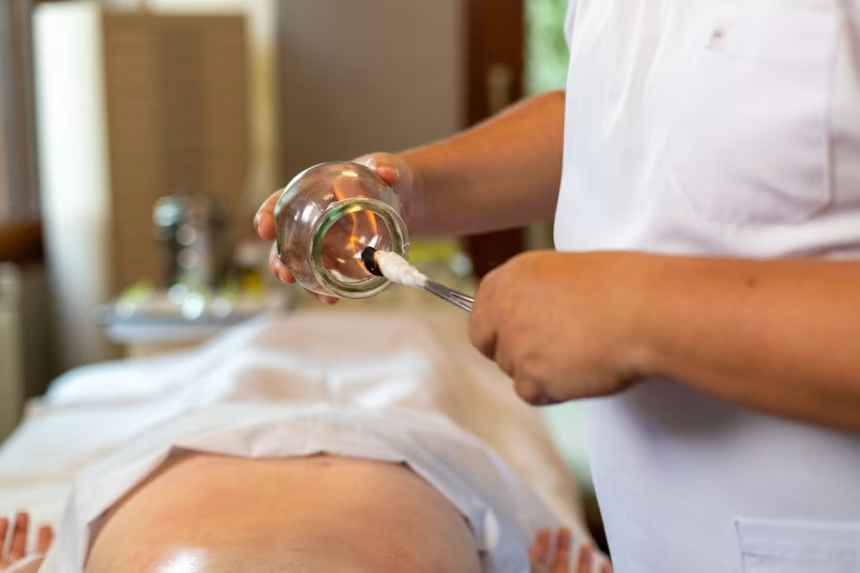
The first publication, Cupping Therapy: Descriptive Synthesis of Training, was released in October 2026. Based primarily on a systematic scoping review, the paper examines reported training pathways, curricula, competency requirements, learning outcomes, assessment methods, trainer qualifications and accreditation arrangements, with a primary focus on cupping therapy associated with Traditional Chinese Medicine.\
Click here to join our WhatsApp channel here
The publication is intended as a descriptive, non-normative reference for policymakers, regulators, educators, accreditation bodies, healthcare professionals and researchers. It aims to provide a shared foundation for understanding existing training and professional practices rather than establish clinical recommendations or regulatory standards.
The initiative aligns with the WHO Global Traditional Medicine Strategy 2025–2034, which supports efforts to strengthen the evidence base for traditional medicine.
Further working papers are planned for 2026–2027, covering training in chiropractic, Siddha, Taijiquan and Traditional Chinese Medicine, alongside publications examining practices such as Nuad Thai, Siddha and Traditional Chinese Medicine.
Also read: Discounted Private Healthcare Services Expanded for Sharjah Government
Through this series, WHO aims to build a growing collection of evidence-informed references to support discussions on education, professional practice, healthcare regulation and research across traditional medicine systems.


