

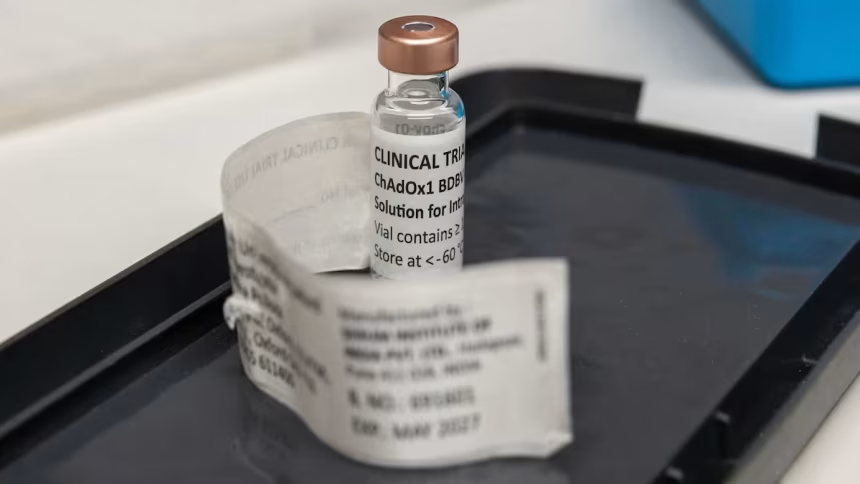

Oxford, UK: The University of Oxford has successfully vaccinated the first volunteer in the world’s first clinical trial of the ChAdOx1 BDBV vaccine, marking the first time a vaccine targeting Bundibugyo ebolavirus (BDBV) has been tested in humans.
Developed by the Oxford Vaccine Group and the Pandemic Sciences Institute, the vaccine uses the same adenoviral platform as the Oxford/AstraZeneca COVID-19 vaccine. The BD-Ebov Phase I trial will continue enrolling volunteers to evaluate the vaccine’s safety and immune response.
Also read: 12 Cardiac Surgeries Completed Under 2026 Nabadat Campaign
The programme was accelerated through collaboration with the Serum Institute of India (SII), which manufactured the vaccine in record time, stockpiling 620,000 doses and supplying 4,000 investigational doses for the clinical trial.
The study is supported by the Coalition for Epidemic Preparedness Innovations (CEPI) through an $8.6 million programme aimed at advancing Bundibugyo vaccine development.
Dr. David Pulido-Gomez, Global Chemistry, Manufacturing and Controls (CMC) Lead at the Pandemic Sciences Institute, said the rapid progress from concept to clinic in just eight weeks reflected the strength of global collaboration between Oxford’s Clinical BioManufacturing Facility and SII.
Click here to join our WhatsApp channel here
Dr Peter Skydmore, Lead Study Doctor for the BD-Ebov trial at the Oxford Vaccine Group, said: ‘Vaccinating the first participants in a first-in-human study is always a significant moment. While these are very early days, they represent an important first step in evaluating this vaccine in humans. Over the coming months, we will continue vaccinating and monitoring participants, and assessing the safety and immune responses generated by the vaccine.’
Dr Katrina Pollock, Chief Investigator for the trial said: ‘This is an important milestone for the trial, and marks the next phase in our multinational collaborative journey to develop a Bundibugyo ebolavirus vaccine. With the help of our many vaccine research partners and importantly, the clinical trial volunteers, our team will continue to work tirelessly in our response to this severe outbreak.’
With Bundibugyo Ebola cases continuing to rise in the Democratic Republic of the Congo (DRC), the trial represents an important step toward developing a vaccine for a virus that currently has no approved vaccine. Subject to regulatory approvals, additional clinical studies are planned in Uganda, with late-stage trials expected if early results are successful.